 Food Knowledge
What Is a Prix Fixe Brunch?
Published On 13-11-2026
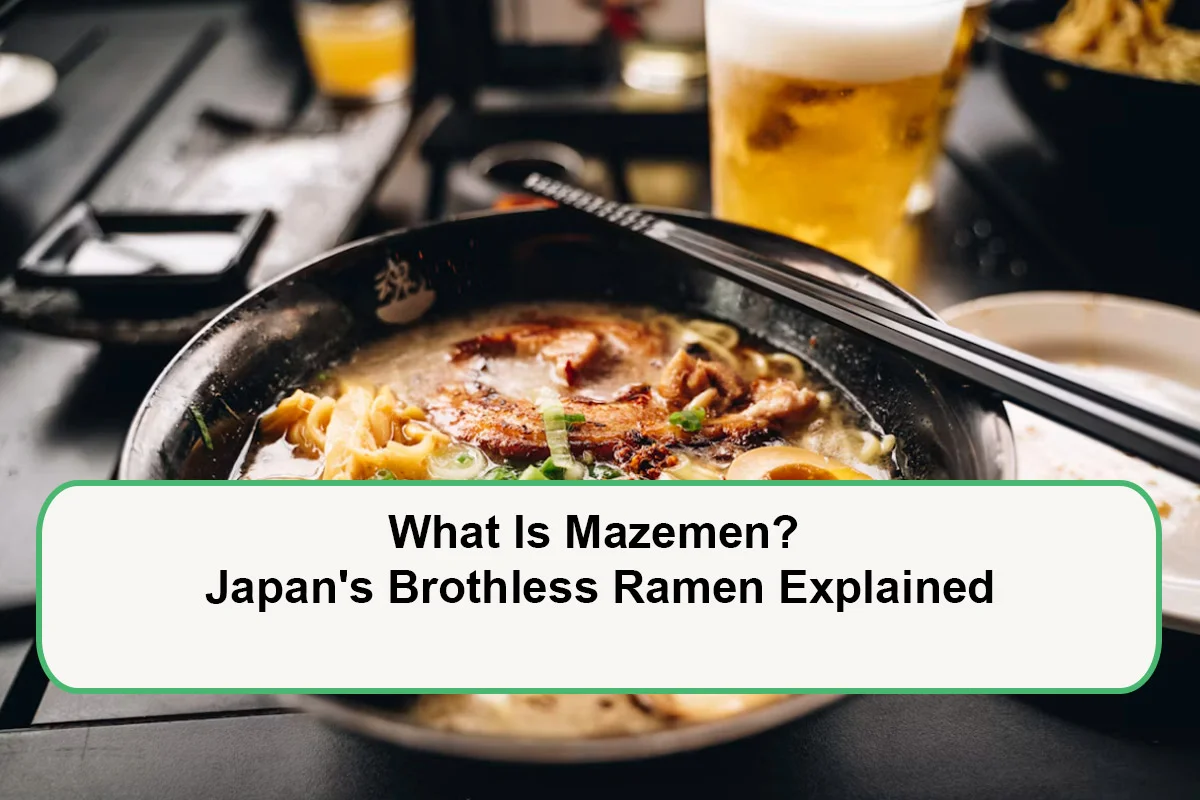
For most Americans, ramen means a steaming bowl of noodles swimming in rich broth. But in Japan, one of the most popular ramen styles has no soup at all. Mazemen, literally "mixed noodles," serves thick, chewy noodles in a small amount of intensely flavored sauce, topped with ingredients like minced pork, a raw egg yolk, scallions, garlic, and seaweed. You stir everything together until every strand is coated, creating a bowl that is rich, bold, and deeply savory.
This guide explains what mazemen is, where it comes from, how it differs from abura soba, Taiwan mazesoba, and tsukemen, what goes into a typical bowl, and how to eat and order it in the United States.
Mazemen is a brothless Japanese ramen. Instead of soup, the noodles are served with a concentrated sauce, often made from soy sauce, flavored oils, and seasonings, and topped with ingredients such as chashu pork, minced meat, soft egg or raw yolk, scallions, garlic, and nori. Diners mix the bowl thoroughly before eating. Related styles include abura soba, a Tokyo oil based noodle dish dating to the 1950s, and Taiwan mazesoba, a spicy version popularized in Nagoya in 2008.
Mazemen combines maze, from mazeru, "to mix," and men, "noodles." Mazesoba ("mixed soba") is a common alternative name; in ramen, soba often refers to Chinese style wheat noodles rather than buckwheat. The name tells you exactly how to eat it: mix everything together.
Ramen itself came to Japan from Chinese noodle traditions and became a national obsession in the twentieth century; our article on where ramen originated tells the story. Brothless ramen grew from that tradition.
One of the earliest soupless ramen styles is abura soba ("oil noodles"), which dates back to the 1950s in western Tokyo. Shops in Kunitachi and Musashino are both credited with creating it. Abura soba serves chewy noodles in a base of soy sauce and oils, such as sesame or pork fat, with toppings such as chashu, bamboo shoots, scallions, and nori. Diners add vinegar and chili oil at the table and mix thoroughly. It became especially popular with students around Tokyo universities.
Despite its name, Taiwan mazesoba was created in Nagoya, Japan, not Taiwan. The ramen shop Menya Hanabi popularized it in 2008. Its name comes from Nagoya's "Taiwan ramen," a spicy local noodle soup, and it features thick noodles topped with spicy minced pork seasoned with chili and garlic, a raw egg yolk, garlic chives, scallions, minced garlic, nori, and fish powder. After finishing the noodles, diners often ask for a small scoop of rice, called oimeshi, to mop up the remaining sauce. Taiwan mazesoba became a Nagoya specialty and spread nationwide and abroad.
In recent decades, ramen shops across Japan and the United States have developed their own mazemen bowls, from classic shoyu and shio styles to creative versions with truffle oil, cheese, seafood, or seasonal vegetables. Because mazemen does not require hours of broth making for each bowl, it gives chefs freedom to experiment with sauces and toppings.
| Style | Broth | How it is served | Signature flavors |
|---|---|---|---|
| Ramen | Full bowl of soup | Noodles in hot broth | Shoyu, shio, miso, tonkotsu |
| Mazemen | None; a small amount of sauce | Noodles and toppings mixed with sauce | Varies: shoyu, shio, spicy, creative |
| Abura soba | None; soy and oil sauce | Mixed with vinegar and chili oil at the table | Savory, oily, tangy |
| Taiwan mazesoba | None; spicy sauce | Mixed with spicy pork and egg yolk; rice added at the end | Spicy, garlicky, rich |
| Tsukemen | Concentrated dipping broth on the side | Cold or room temperature noodles dipped into hot broth | Rich pork and seafood broth |
| Hiyashi chuka | None; chilled sauce | Cold noodles with colorful toppings | Tangy soy and vinegar, summer dish |
Mazemen usually uses thick, chewy wheat noodles made with kansui, an alkaline mineral water that gives ramen noodles their springy texture and yellow color. Thick noodles hold up well to mixing and grab onto the sauce. Many shops make their noodles in house.
The sauce, called tare, is the heart of mazemen. It is a concentrated seasoning, often based on soy sauce, salt, or miso, sometimes blended with a little broth, and combined with flavored oils such as pork fat, chicken fat, sesame oil, scallion oil, or chili oil. Only a few spoonfuls go into each bowl, so the flavor is intense.
If you are new to the style, start with a shoyu bowl, then try a spicy Taiwan style bowl once you know how much heat you enjoy. Many shops note spice levels on the menu, and staff are usually happy to recommend a bowl. Ordering a classic soup ramen and a mazemen to share is also a great way to compare the two experiences side by side.
Mazemen can be rich. The sauce is concentrated and salty, flavored oils add fat, and toppings such as pork, egg yolk, and cheese add calories. Because there is no broth to leave behind, you eat all of the sauce, which can mean a lot of sodium. To lighten a bowl, choose chicken or vegetable toppings, ask for less oil, add extra vegetables, and skip the rice at the end. Our guide to lower sodium meals offers tips for salty dishes.
Mazemen typically contains wheat (noodles and soy sauce), soy, egg, and often sesame, fish, and shellfish (in fish powder and seafood based sauces). Some shops offer vegetarian or vegan versions with vegetable based sauces and tofu. Always ask your server about ingredients; our guide to handling food allergies when dining out explains what to ask.
Mazemen also pairs well with small plates at casual Japanese restaurants; our guide to what an izakaya is explains Japan's pub style dining.
Mazemen is one of the easiest ramen styles to make at home because it needs no long simmered broth. Cook fresh or frozen ramen noodles, drain them well, and toss them with a sauce of soy sauce, a little sesame oil or chili oil, garlic, and a pinch of sugar. Top with stir fried minced pork, scallions, nori, and a soft egg, then mix and enjoy.
Explore our history of Japanese cuisine, and read our guides to chirashi sushi and nigiri versus sashimi to round out your Japanese dining knowledge.
Mazemen is brothless ramen: thick, chewy noodles served with a small amount of concentrated sauce and toppings, mixed together before eating. It grew from Tokyo's abura soba of the 1950s and was energized by Nagoya's spicy Taiwan mazesoba, popularized in 2008. Mix thoroughly, season with vinegar or chili oil, eat it hot, and finish the sauce with rice if offered. For more food basics, explore our food knowledge collection.
Reviewed and verified by the Restaurant Listings Editorial Team for accuracy and relevance. Our content is researched using official restaurant sources, public records, government agencies, and recognized food safety and hospitality industry resources.
Last reviewed: November 2026