 Restaurant Types
The Difference Between Fast Food and Fast Casual Restaurants
Published On 21-09-2026
An izakaya is a casual Japanese dining establishment that combines the relaxed atmosphere of a neighborhood pub with the quality and variety of a restaurant. Guests typically gather to enjoy small plates of food, alcoholic beverages, and conversation, making an izakaya one of Japan's most popular places for social dining.
Unlike traditional restaurants where diners order individual entrées, an izakaya encourages sharing multiple dishes with friends, family, or coworkers while enjoying beer, sake, whisky, or cocktails. The experience is as much about spending time together as it is about the food.
An izakaya is a casual Japanese pub-style restaurant where guests order a variety of small dishes to share while enjoying alcoholic and non-alcoholic drinks. Although alcohol is an important part of the experience, modern izakayas also welcome families, tourists, and diners who simply want authentic Japanese cuisine.
The word izakaya (居酒屋) combines two Japanese words:
Historically, sake shops began allowing customers to sit and enjoy drinks on-site instead of taking them home. Over time, these establishments expanded their food offerings and evolved into the izakayas we know today.
The defining feature of an izakaya isn't one specific dish—it's the dining experience.
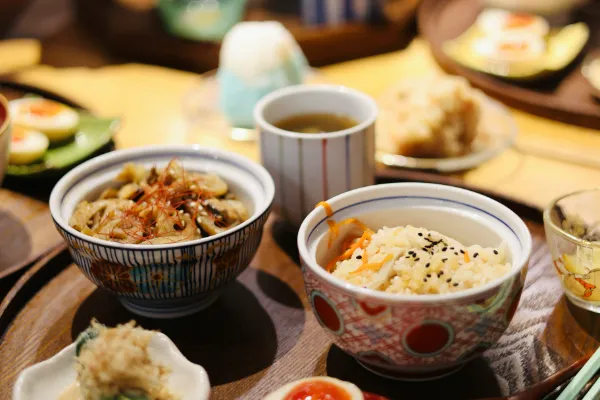
Instead of ordering one large meal, diners select several smaller dishes that arrive throughout the evening. This creates a relaxed pace where food, drinks, and conversation naturally flow together.
Unlike many Western restaurants, there is often no expectation to finish dining quickly. Guests may stay for hours while ordering additional dishes as they go.
Izakaya menus are designed for variety. Rather than specializing in one cuisine, many offer dozens of small plates that complement beverages.
Grilled chicken skewers seasoned with salt or brushed with a savory soy-based glaze.
Japanese-style fried chicken that's crispy on the outside and juicy inside.
Lightly salted steamed soybeans served as a classic starter.
Pan-fried dumplings filled with pork, chicken, seafood, or vegetables.
Fresh slices of raw seafood served simply to highlight quality ingredients.
Lightly battered seafood and vegetables fried until crisp.
Whole fish, squid, shrimp, and shellfish cooked over charcoal or open flame.
Many izakayas finish the meal with fried rice, ramen, udon, or soba noodles.
Although izakayas are known for alcoholic beverages, the drink menu is usually extensive.
Non-drinkers are welcome at most modern izakayas.
Unlike traditional Western restaurants where everything is ordered at once, izakayas encourage diners to order in stages.
A typical visit might begin with drinks, edamame, and a few appetizers. As the evening continues, guests add grilled dishes, fried foods, seafood, vegetables, and finally rice or noodles before dessert.
This flexible ordering style creates a more social and relaxed dining experience.
| Izakaya | Traditional Restaurant |
|---|---|
| Multiple shared dishes | Individual entrées |
| Relaxed social atmosphere | Meal-focused dining |
| Food arrives throughout the meal | Courses often arrive in sequence |
| Large beverage selection | Drinks support the meal |
| Designed for longer visits | Usually shorter dining experience |
Many people compare izakayas to gastropubs because both combine quality food with a casual drinking atmosphere.
The main difference is cultural tradition. Gastropubs originated in the United Kingdom and emphasize elevated pub food, while izakayas are deeply rooted in Japanese hospitality and feature Japanese small plates, grilled dishes, seafood, and regional specialties.
If it's your first visit, following a few simple customs can enhance the experience.
Many izakayas welcome families, especially during lunch and early evening hours. However, some establishments cater primarily to adults later in the evening when business groups and nightlife crowds become more common.
If you're traveling with children, it's worth checking the restaurant's atmosphere before visiting.
As Japanese cuisine has gained international recognition, izakayas have become increasingly popular outside Japan. Their combination of shareable plates, fresh ingredients, and casual hospitality appeals to diners who enjoy exploring multiple flavors in a single meal.
Many modern izakayas also incorporate local ingredients while maintaining traditional Japanese cooking techniques.
An izakaya offers far more than food—it provides a uniquely Japanese way of dining where small plates, conversation, and hospitality come together. Whether you're enjoying grilled skewers, fresh sashimi, crispy karaage, or a simple bowl of edamame, the experience is designed to be shared.
If you're looking for a relaxed meal with plenty of variety, an izakaya is one of the best ways to experience authentic Japanese dining culture.
Reviewed and verified by the Restaurant Listings Editorial Team for accuracy and relevance. Our content is researched using official restaurant sources, public records, government agencies, and recognized food safety and hospitality industry resources.
Last reviewed: July 2026