
 Food Knowledge
Restaurant Menus with Plant-Based Protein Alternatives: Nutr...
Published On 30-10-2026
Sushi menus can be confusing for first timers. Nigiri, sashimi, maki, temaki, chirashi: the words appear side by side, and the dishes look similar at a glance. The two most often confused are nigiri and sashimi. Both feature beautifully cut fish, but one includes rice and the other does not, and that difference shapes how each is made, eaten, and enjoyed.
This guide explains the difference between nigiri and sashimi, how they relate to other types of sushi, how to eat each one properly, and how to order with confidence.
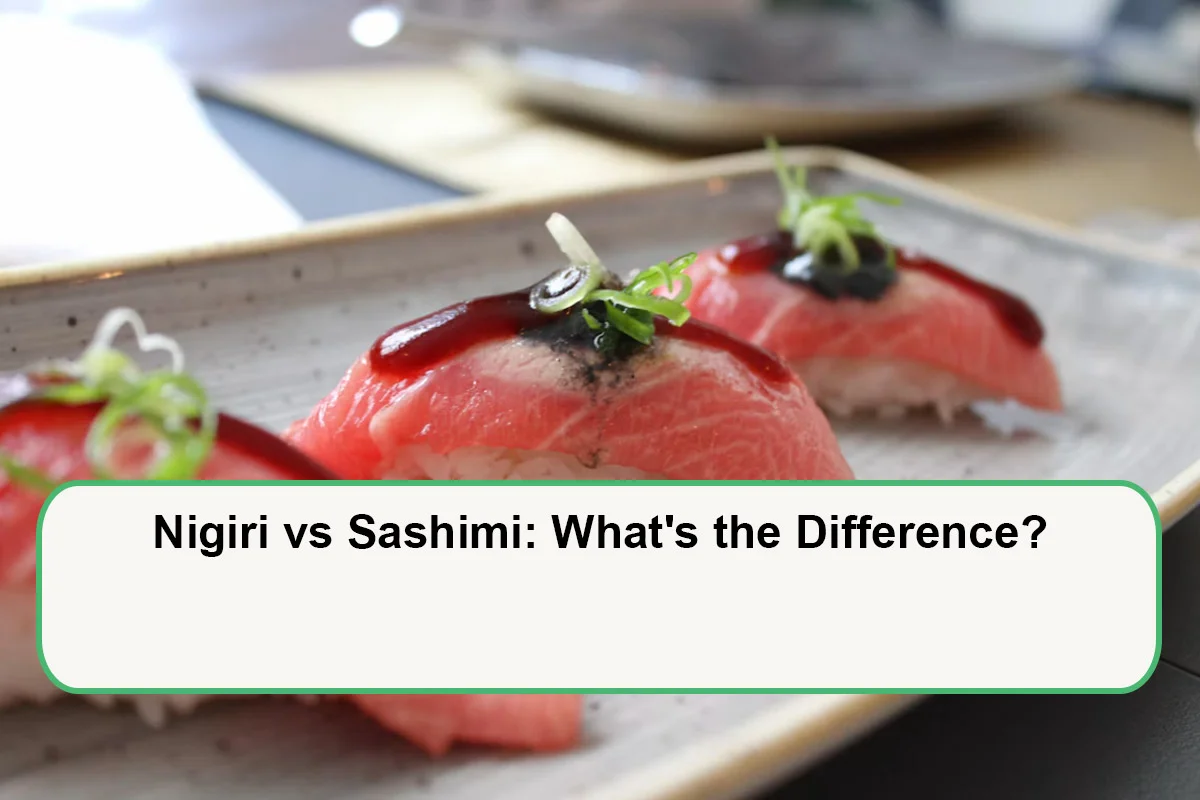
Nigiri is a slice of fish or other topping pressed by hand onto a small oval mound of vinegared sushi rice. Sashimi is sliced raw fish or seafood served on its own, without rice. Technically, nigiri is a type of sushi because sushi refers to the seasoned rice, while sashimi is not sushi at all.
| Feature | Nigiri | Sashimi |
|---|---|---|
| Rice | Yes, a hand pressed mound of vinegared rice | No rice |
| Is it sushi? | Yes | No; it is sliced raw seafood |
| Typical toppings | Fish, shellfish, eel, egg omelet, sometimes seared or cooked items | Mostly raw fish and shellfish |
| Slice | Thinner slice draped over rice | Thicker slice to showcase texture |
| Serving | Usually two pieces per order in the U.S. | Several slices, often with shredded daikon and shiso |
| How to eat | By hand or chopsticks, fish side dipped lightly in soy sauce | With chopsticks, lightly dipped in soy sauce with wasabi |
| Best for | Balance of fish and seasoned rice | Pure flavor and texture of the seafood |
Many Americans use "sushi" to mean raw fish, but in Japanese cuisine sushi refers to dishes made with vinegared rice (shari or sushi meshi), seasoned with rice vinegar, sugar, and salt. The topping can be raw fish, cooked seafood, vegetables, or egg. That is why nigiri, maki rolls, and hand rolls are all sushi, while sashimi, which has no rice, is not. Our article on where sushi originated explains how sushi evolved from preserved fish in fermented rice to the fresh nigiri of Edo era Tokyo.
Nigiri (from nigiru, "to grasp" or "squeeze") is the classic form of Edo style sushi. The chef shapes a small mound of rice in the palm of the hand, adds a dab of wasabi, and drapes a slice of fish or other topping over it. Good nigiri is pressed just firmly enough to hold together but loose enough to fall apart gently in the mouth. The rice should be slightly warm, around body temperature, and seasoned so it balances the fish.
Common nigiri toppings include tuna (maguro), fatty tuna (toro), salmon (sake), yellowtail (hamachi), sea bream (madai), shrimp (ebi), freshwater eel (unagi), sea urchin (uni), salmon roe (ikura, often served gunkan style wrapped in seaweed), and sweet egg omelet (tamago). Some nigiri is brushed with sauce, torched (aburi), or topped with garnishes by the chef, which is why many sushi chefs prefer that you skip extra soy sauce.
Sashimi is sliced raw seafood served without rice, usually arranged on a plate with shredded daikon radish, shiso leaf, and wasabi. Because there is no rice, sashimi showcases the texture, fat, and flavor of the fish itself, and the knife work matters enormously. Different fish are cut in different ways and thicknesses to bring out their best texture. Sashimi can also include items such as octopus, scallop, and, in Japan, specialties beyond seafood.
Sushi chefs often say the rice matters as much as the fish, and nigiri is where that shows most clearly. Short grain Japanese rice is washed, cooked, and gently folded with a seasoning of rice vinegar, sugar, and salt while it is still warm, then cooled to around body temperature. Each restaurant guards its own balance: some use red vinegar made from sake lees for a darker, deeper rice, while others prefer a cleaner, brighter seasoning. Great nigiri rice is distinct grain by grain, lightly packed, and seasoned to bring out the fish rather than mask it. That is why apprentices in Japan traditionally spent years learning to prepare rice before they were allowed to slice fish.
| Fish | Japanese name | Flavor and texture | Good as |
|---|---|---|---|
| Lean tuna | Akami | Clean, meaty, mild | Nigiri or sashimi |
| Fatty tuna belly | Toro | Rich, buttery, melting | Nigiri or sashimi |
| Salmon | Sake | Rich, soft, mild | Nigiri or sashimi |
| Yellowtail | Hamachi | Buttery, slightly sweet | Nigiri or sashimi |
| Sea bream | Madai | Delicate, firm, clean | Sashimi or nigiri |
| Mackerel | Saba | Bold, oily, usually cured in vinegar | Nigiri |
| Freshwater eel | Unagi | Sweet, glazed, served cooked | Nigiri |
| Scallop | Hotate | Sweet, tender | Nigiri or sashimi |
Cooked or cured items such as eel, shrimp, and vinegar marinated mackerel are usually served as nigiri, because the rice balances their sweeter or stronger flavors. Pristine raw fish such as sea bream, tuna, and yellowtail shine as sashimi, where the knife work and texture take center stage.
Sashimi is mostly protein with healthy fats from fish such as salmon and tuna, and very few carbohydrates. Nigiri adds a small portion of seasoned rice, so it has more carbohydrates and calories per piece but is still relatively light compared with many restaurant meals. Specialty rolls with tempura, cream cheese, and creamy sauces are the richest sushi options. Soy sauce is high in sodium, so dip sparingly; our guide to lower sodium meals has tips. If you avoid gluten, ask for gluten free tamari, since regular soy sauce contains wheat.
Raw fish should come from trusted suppliers and be handled carefully. Many fish served raw in U.S. restaurants are frozen first to destroy parasites, a practice required for most species under food safety codes, and freezing done well does not harm quality. Pregnant people, young children, older adults, and anyone with a weakened immune system should talk with a doctor about eating raw fish. Our guides to identifying fresh seafood and wild caught versus farm raised seafood help you judge quality.
Sushi bars and Japanese pubs are related but different experiences; our guide to what an izakaya is explains the more casual side of Japanese dining.
Nigiri and sashimi are only the beginning. Our history of Japanese cuisine covers the broader tradition, and our article on where ramen originated explores another Japanese favorite.
Nigiri is sliced fish or another topping pressed onto a small mound of vinegared rice, making it a type of sushi. Sashimi is sliced raw seafood served without rice, and it is not technically sushi. Nigiri balances fish with seasoned rice and can be eaten by hand; sashimi showcases the fish alone and is eaten with chopsticks. Try both to learn what you love. For more food basics, explore our food knowledge collection.
Reviewed and verified by the Restaurant Listings Editorial Team for accuracy and relevance. Our content is researched using official restaurant sources, public records, government agencies, and recognized food safety and hospitality industry resources.
Last reviewed: October 2026