 Restaurant News
What Is the World's 50 Best Restaurants List?
Published On 21-09-2026
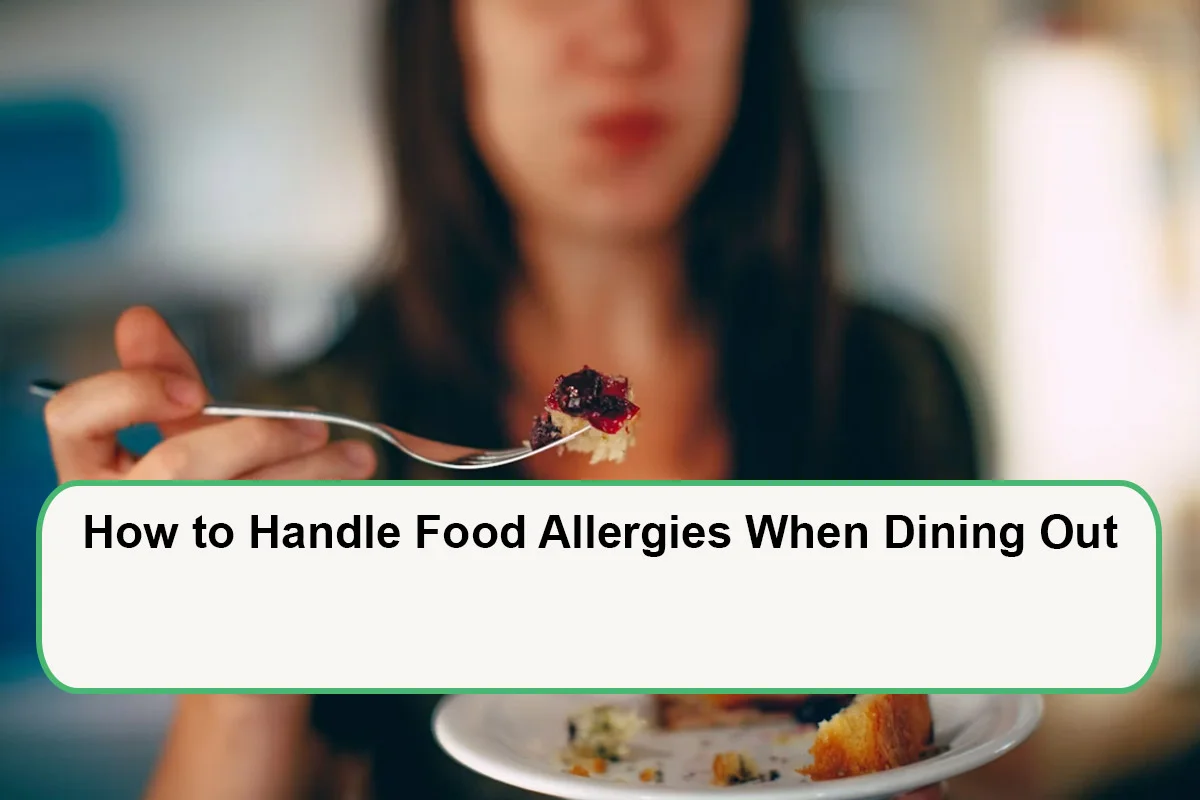
Roughly 33 million Americans live with a food allergy, and for most of them, eating at a restaurant carries a layer of risk that has nothing to do with taste and everything to do with communication. A little preparation before you ever sit down at a table makes the difference between a stressful meal and a genuinely safe one.
The safest strategy starts well before your reservation. Calling the restaurant ahead of time to ask whether the kitchen can accommodate your specific allergy gives staff time to think through the request rather than scrambling once you are already seated. Checking a restaurant's menu online in advance also helps, since many restaurants now note common allergens directly on the menu, and some maintain a separate allergen guide that is not always posted at the table itself. Timing matters too: choosing a day and time when the kitchen is not at its busiest, avoiding a packed Friday dinner rush in favor of an earlier or slower seating, gives staff more attention to devote to your order and reduces the chance of a rushed mistake.
Certain restaurant formats carry inherently higher allergy risk regardless of cuisine. Buffets, shared platters, and self serve stations make cross contact difficult to control, since serving utensils frequently move between dishes and other guests may not handle allergens carefully. A restaurant with an open kitchen and a la carte ordering, where dishes are made to order rather than sitting out, generally offers more control and easier communication with the kitchen than a format built around communal or pre-prepared food.
Certain types of restaurants carry meaningfully higher risk for specific allergies, and factoring that into where you choose to eat is one of the simplest ways to reduce exposure before you even open a menu. If you have a fish or shellfish allergy, a restaurant built primarily around seafood carries a higher risk of cross contact than one where seafood is a minor part of the menu. If you are allergic to peanuts or tree nuts, many Thai and Chinese restaurants rely heavily on peanut oil and nut based sauces throughout their cooking, which raises the odds that even a dish without a listed nut ingredient was still prepared using shared equipment or oil.
Telling your server about your allergy the first time they come to the table is important, but it should not be the only conversation you have. Speaking directly with a manager, and asking to have the chef come out or relay your allergy directly to the kitchen, adds a second layer of communication in case something gets lost between the front of house and the back. There is nothing awkward or rude about being specific and repeating yourself to more than one staff member, and restaurants that deal with allergies regularly will not treat the request as unusual. It genuinely helps to frame the conversation as a partnership rather than an interrogation, asking staff what their experience is with allergy requests rather than trying to judge their reaction to gauge whether they can be trusted.
Research from the CDC examining restaurant staff knowledge and practices around food allergies found real gaps, particularly among less experienced employees who had not received specific allergy training. Cross contact is one of the most common failure points, since a shared fryer used for both breaded and allergen-free foods, a cutting board used for multiple ingredients, or a sauce made with a shared base can all introduce an allergen even when the listed ingredients on a dish appear safe. Asking specifically about cross contact, whether the kitchen uses a separate pan, clean utensils, and fresh oil for your order, is one of the most important questions you can ask, since removing a single visible ingredient from a dish does not necessarily eliminate the actual allergen risk.
| Question | Why It Matters |
|---|---|
| Can the kitchen prepare this without cross contact? | Removing an ingredient from a dish does not remove shared equipment risk |
| What oil is used for frying? | Shared fryers are a common, easy to miss source of allergen exposure |
| Are sauces or dressings made in house? | Pre-made sauces often contain hidden allergens like dairy, soy, or nuts |
| Can the chef confirm the order before it's sent out? | A final check reduces the risk of a miscommunication reaching your table |
| Is the dessert made in house? | Many restaurants order dessert from outside bakeries and cannot list full ingredients |
Dessert deserves its own specific caution, since many restaurants source their desserts from outside bakeries or specialty suppliers rather than making them in house. That means the front of house and even the kitchen staff often cannot provide a complete ingredient list for a cake or pastry, since they did not make it themselves and may not have detailed documentation on hand. If a server cannot confidently answer questions about a dessert's ingredients, it is generally safer to skip it and have something you know is safe once you get home, rather than assuming it is fine because nothing on the menu description mentions your allergen.
A chef card, a small printed or laminated card listing your specific allergies, can help communicate clearly with kitchen staff, but it should support a real conversation rather than replace one entirely. If you carry epinephrine auto-injectors for a severe allergy, bring two rather than one, since a single dose is not always sufficient and having a backup removes one more variable from an already stressful situation if a reaction does occur. Keeping your allergy action plan on hand is also worth doing, since it can help you and anyone with you quickly recognize whether a reaction is actually happening rather than second guessing symptoms in the moment.
Dining with a group makes allergy management noticeably harder than eating alone, since a busy table with multiple orders, shared appetizers, and a server splitting attention across several guests raises the odds of a miscommunication. If you are the one with the allergy, it helps to place your order early and clearly, ideally before the table gets distracted discussing shared plates, and to speak up specifically if the group is ordering something to share, since a shared appetizer plate is exactly the kind of order most likely to get miscommunicated to the kitchen. Friends and family dining with someone who has a serious allergy can help simply by not pressuring them to try a bite of something they are unsure about, even with good intentions, since that kind of casual pressure is a genuine and common source of accidental exposure.
If a server seems confused by your questions, cannot get clear answers from the kitchen, or the food does not look or taste the way you expected, it is entirely reasonable to stop eating and ask more questions, or simply decide the meal is not worth the risk. Leaving a restaurant partway through a meal because you are not confident in how your allergy was handled is not rude, it is a reasonable response to a genuine safety concern, and any restaurant that regularly serves allergic guests should understand that without taking offense.
For more on navigating other dietary considerations at restaurants, see our guides on what to eat and avoid if you are diabetic and our list of foods for diabetics to avoid.
Reviewed and verified by the Restaurant Listings Editorial Team for accuracy and relevance. Our content is researched using official restaurant sources, public records, government agencies, and recognized food safety and hospitality industry resources.
Last reviewed: September 2026