 Food Knowledge
Restaurant Menus with Plant-Based Protein Alternatives: Nutr...
Published On 30-10-2026
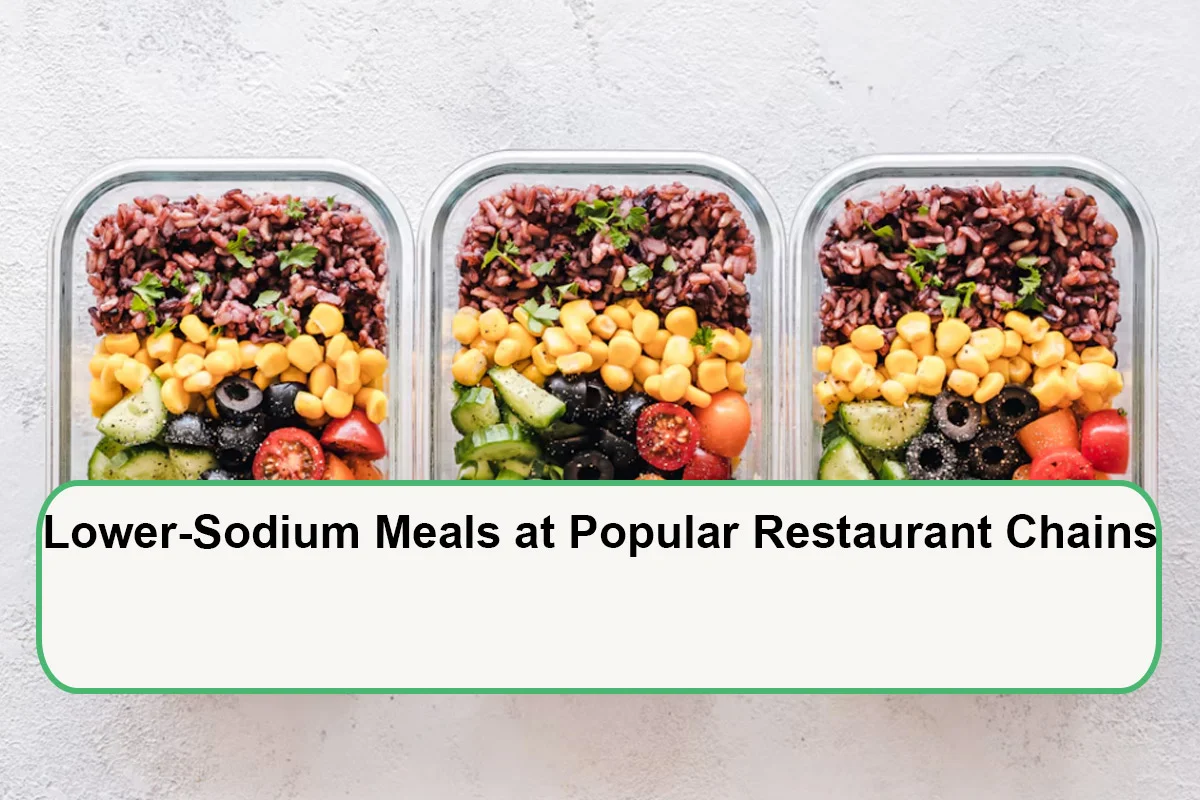
Restaurant food is one of the biggest sources of sodium in the American diet. A single entree can contain more than a full day's recommended limit, and many diners have no idea, because salty food does not always taste salty. Sodium hides in bread, sauces, cheese, cured meats, marinades, and soups. For people managing high blood pressure, heart disease, or kidney disease, finding lower sodium meals is essential.
This guide explains how much sodium is too much, where sodium hides on restaurant menus, which chain choices tend to be lower in sodium, and how to cut sodium at any restaurant.
Nutrition figures in this guide are based on the chains' published nutrition information at the time of writing and are rounded. Recipes and portions change, so check each chain's current nutrition calculator before you order.
The federal Dietary Guidelines recommend less than 2,300 milligrams of sodium per day, while Americans average about 3,400. To keep a restaurant meal reasonable, aim for roughly 600 to 800 milligrams or less. Lower sodium choices include grilled chicken without sauces, egg based breakfasts without processed meats, bowls built on fresh vegetables and plain beans, and dishes with sauces and dressings served on the side. Use each chain's nutrition information to compare.
The Dietary Guidelines for Americans advise adults to consume less than 2,300 milligrams of sodium per day, roughly a teaspoon of salt. Americans actually average about 3,400 milligrams. In 2021, the FDA issued voluntary targets encouraging food makers and restaurants to reduce sodium so that average intake would fall to about 3,000 milligrams a day, and it has said further reductions will follow.
New York City went a step further. Since December 2015, chain restaurants with 15 or more locations nationwide have been required to place a salt shaker warning icon next to menu items containing 2,300 milligrams of sodium or more, a full day's limit in one dish. When the rule launched, officials pointed to examples such as a seafood combo platter at a casual dining chain with more than 6,000 milligrams, roughly three days' worth.
Comparing published numbers shows how much choices matter. At McDonald's, a Big Mac contains about 950 milligrams of sodium and an Egg McMuffin about 760, while a plain Hamburger is a smaller, lower sodium choice. At Chick-fil-A, the 8 count Grilled Nuggets contain about 440 milligrams, making them one of the lower sodium protein options in fast food, especially if you skip salty dipping sauces. At Starbucks, Classic Whole Grain Oatmeal has only about 125 milligrams of sodium before toppings, an excellent low sodium breakfast. At bowl restaurants such as Chipotle, sodium rises with each salty component, such as seasoned proteins, cheese, and some salsas, so a bowl built mostly on fresh vegetables, plain beans, and fresh tomato salsa stays more moderate.
| Item | Approximate sodium | Share of 2,300 mg daily limit |
|---|---|---|
| Starbucks Classic Whole Grain Oatmeal | About 125 mg | About 5 percent |
| Chick-fil-A Grilled Nuggets, 8 count | About 440 mg | About 19 percent |
| McDonald's Egg McMuffin | About 760 mg | About 33 percent |
| McDonald's Big Mac | About 950 mg | About 41 percent |
| Deli style turkey and cheese sandwich | Can approach 1,500 mg | About 65 percent |
| Chain items carrying New York City's warning icon | 2,300 mg or more | 100 percent or more |
Kitchens are used to sodium requests, and a clear, polite phrase makes them easier to fulfill:
Mentioning a medical reason helps staff understand that the request matters.
Chains with 20 or more locations must provide full written nutrition information, including sodium, on request, and most publish it online. Check sodium alongside calories, because many low calorie items, such as soups and salads with dressing, are surprisingly high in sodium. Our guide to restaurants with full nutrition information online explains how to use these tools, and our healthy fast food comparison shows sodium for popular items.
Sodium is not only table salt sprinkled on top. It is built into bread dough, cheese, cured meats, sauces, and brines, and it is often balanced by sugar, fat, or acid, which mask saltiness. That is why a sweet barbecue sauce, a creamy dressing, or a soft dinner roll can contain more sodium than a plate of salted fries. Taste is not a reliable guide, which is why published nutrition data and simple ordering habits matter so much.
High sodium intake is linked to high blood pressure, which raises the risk of heart disease and stroke. If you are managing blood pressure, cholesterol, or kidney disease, follow your doctor's guidance on sodium, which may be lower than the general 2,300 milligram limit. Our articles on enjoying Thai food with high cholesterol and heart conscious Italian food offer cuisine specific ideas.
Many restaurant meals contain a large share of the 2,300 milligram daily sodium limit, and some exceed it in a single dish. Sodium hides in bread, cured meats, cheese, sauces, soups, and marinades. Choose fresh proteins and vegetables, ask for sauces on the side, skip cured meats and salty sides, and compare options using chain nutrition data. Lower sodium choices such as Starbucks oatmeal and Chick-fil-A grilled nuggets show it is possible to eat out without blowing your daily limit. For more practical dining advice, explore our food knowledge collection.
Reviewed and verified by the Restaurant Listings Editorial Team for accuracy and relevance. Our content is researched using official restaurant sources, public records, government agencies, and recognized food safety and hospitality industry resources.
Last reviewed: October 2026