
 American Food History
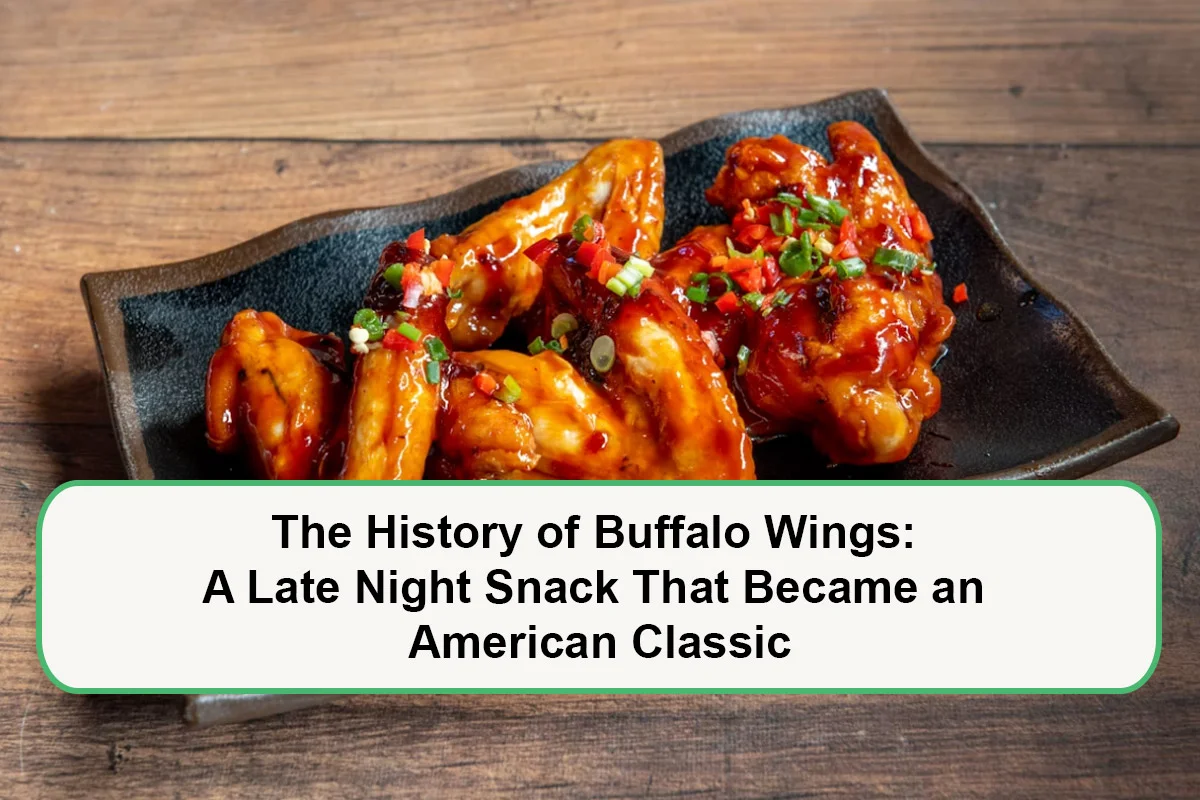
The History of Buffalo Wings: A Late Night Snack That Became...
Published On 17-09-2026
Published by Restaurant Listings Editorial Team
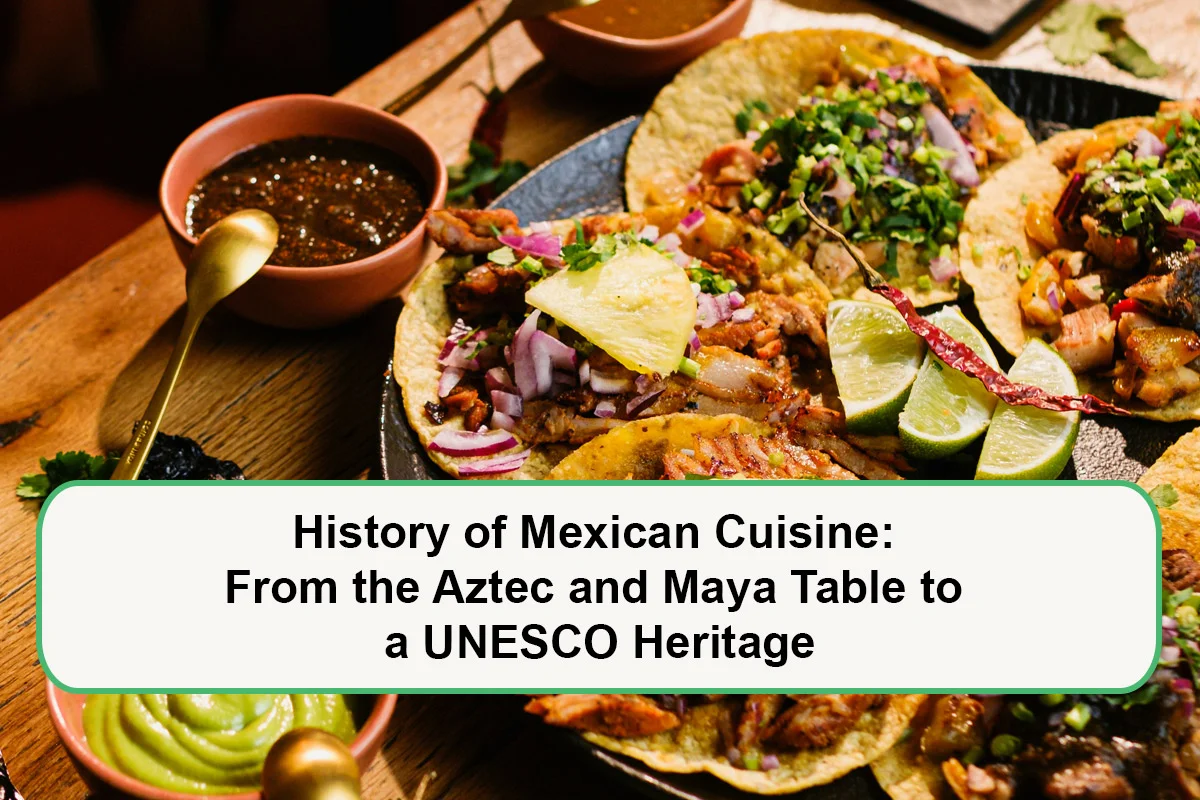
Tacos, guacamole, and salsa show up on American menus so often that it is easy to forget how deep their roots actually run. Mexican cuisine is not a single tradition but a layered history that stretches back thousands of years before Spanish contact, shaped later by colonization, and recognized in 2010 as a UNESCO Intangible Cultural Heritage of Humanity, one of the first cuisines in the world to receive that distinction.
Long before Europeans arrived, Mesoamerican civilizations, including the Olmec, Maya, and Aztec, built an agricultural and culinary system centered on what historians call the Mesoamerican triad, corn, beans, and squash. The Olmec civilization, considered the mother culture of the region, is credited with first domesticating these crops and developing nixtamalization, a process of soaking and cooking corn in an alkaline lime solution. Nixtamalization dramatically improved corn's nutritional value and made it possible to grind into the pliable dough, called masa, that still forms the base of tortillas, tamales, and countless other dishes today, thousands of years later.
Beyond the triad, Indigenous Mesoamerican cooks worked with a long list of ingredients that remain central to Mexican cuisine now. Chili peppers, tomatoes, cacao, vanilla, and domesticated turkey all originated in the region, along with fruits like guava, mango, sapote, and prickly pear in the central and southern areas, and strong seafood traditions along the coasts. The Aztecs in particular are credited with introducing chocolate to the wider world, though in their society cacao was used mostly as currency and in ceremonial or religious contexts rather than as an everyday sweet treat the way it is consumed today.
Everything changed with the arrival of Hernan Cortes in 1519. Spanish colonizers brought livestock that had never existed in the Americas, pigs, sheep, cattle, and chickens, along with dairy products like cheese and milk. They also introduced wheat, rice that had originally come to Spain from Asia, sugar, and a long list of herbs and spices, including onions, garlic, coriander, cinnamon, oregano, paprika, and olive oil, many of which reflected Spain's own culinary history shaped by roughly eight centuries of Arab influence before the Spanish colonization of Mexico even began. The collision between these newly arrived ingredients and existing Indigenous staples reshaped what people in Mexico ate, sometimes through violent disruption of existing food systems, and sometimes through genuine culinary fusion that produced entirely new dishes.
Some of the dishes most associated with Mexican cuisine today emerged directly from this blending of Indigenous and Spanish traditions during the colonial period. Mole, a complex sauce built from a wide range of chilies and spices, sometimes including chocolate, developed as Spanish monks and settlers worked alongside Indigenous cooks to combine ingredients from both worlds. Chiles en nogada, poblano peppers stuffed with a meat and fruit filling and topped with a walnut based cream sauce, is another dish rooted in that same colonial era fusion. Even something as simple as a quesadilla reflects this blending directly, since the tortilla is Indigenous but the cheese folded inside it only became available after Spanish colonization introduced dairy farming to the region.
Mexico's size and geography produced distinct regional cuisines rather than one uniform national cuisine. Veracruz, on the Gulf coast, blends Indigenous, Spanish, and Afro Mexican influences, a legacy of Caribbean slave trading routes and the port's importance over several centuries, and leans heavily on fish and seafood dishes such as huachinango a la veracruzana, a red snapper preparation built on Spanish herbs and native chili peppers. Northern Mexico, with its drier climate suited to ranching, developed meat heavy, grilled traditions and relies more on wheat flour tortillas than the corn tortillas more common further south. The Yucatan Peninsula carries a distinctly Maya imprint, with ingredients like achiote and citrus based marinades that trace directly back to pre Columbian cooking. Oaxaca, sometimes called the land of seven moles, remains one of the country's most concentrated showcases of Indigenous corn and chili traditions passed down largely intact.
| Dish | Origin Snapshot |
|---|---|
| Tortillas and tamales | Pre Columbian, built on nixtamalized corn masa developed by early Mesoamerican civilizations |
| Guacamole | Aztec in origin, from the Nahuatl word ahuacamolli, meaning avocado sauce |
| Mole | Colonial era fusion of Indigenous chilies and chocolate with Spanish spices, closely associated with Oaxaca and Puebla |
| Salsa | Pre Columbian, built on native tomatoes and chili peppers long before European contact |
| Quesadillas | Indigenous tortilla combined with Spanish introduced cheese |
The relationship between Mexican and American cuisine runs in both directions, and it is worth separating authentic Mexican cooking from the Tex-Mex tradition that developed north of the border. Tex-Mex grew out of communities in Texas blending Mexican ingredients and techniques with American tastes and available ingredients over generations, producing dishes like the hard shell taco, chili con carne, and heavily cheese forward combination plates that are common at American style Mexican restaurants but rarely appear on menus inside Mexico itself. Neither tradition is more authentic than the other in an absolute sense, they simply reflect different histories, but understanding that split helps explain why a dish labeled Mexican food in an American strip mall restaurant can look so different from a dish served in Oaxaca or Mexico City.
In 2010, traditional Mexican cuisine was formally inscribed on the UNESCO Representative List of the Intangible Cultural Heritage of Humanity, making it one of the first culinary traditions anywhere in the world to receive that level of international recognition. The designation described Mexican cuisine as a comprehensive cultural model, one that encompasses not just recipes but farming practices, communal rituals, and ancestral techniques passed down across generations, underscoring that the food itself cannot really be separated from the culture and history that produced it.
Corn's importance in Mexican cuisine goes well past tortillas and tamales. Masa, the nixtamalized corn dough at the center of so much Mexican cooking, also forms the base for tlacoyos, sopes, huaraches, and gorditas, each a different shape and preparation of the same fundamental dough, filled or topped in ways that vary by region and household. Corn also appears in drinks, most notably atole, a warm, thickened corn based beverage often flavored with cinnamon or chocolate that predates Spanish contact and remains a common breakfast drink in many parts of Mexico today. The sheer number of forms a single ingredient takes across Mexican cooking is part of what UNESCO pointed to when it described the cuisine as a comprehensive cultural model rather than simply a list of recipes.
Street food is not a modern add on to Mexican cuisine, it traces back to the marketplaces, called tianguis, that operated across Mesoamerica long before European contact, where vendors sold prepared food to travelers and workers moving through busy trading hubs. That tradition continued and evolved through the colonial period and into the present, and much of what people outside Mexico now think of as classic Mexican food, tacos al pastor, elotes, tamales sold from carts, grew out of this same long running street vending culture rather than out of formal restaurant kitchens. Tacos al pastor specifically reflects yet another layer of culinary influence, since the spit roasted, marinated pork technique traces back to shawarma style cooking brought to Mexico by Lebanese immigrants in the early 20th century, later adapted with local chilies, pineapple, and corn tortillas into something distinctly Mexican.
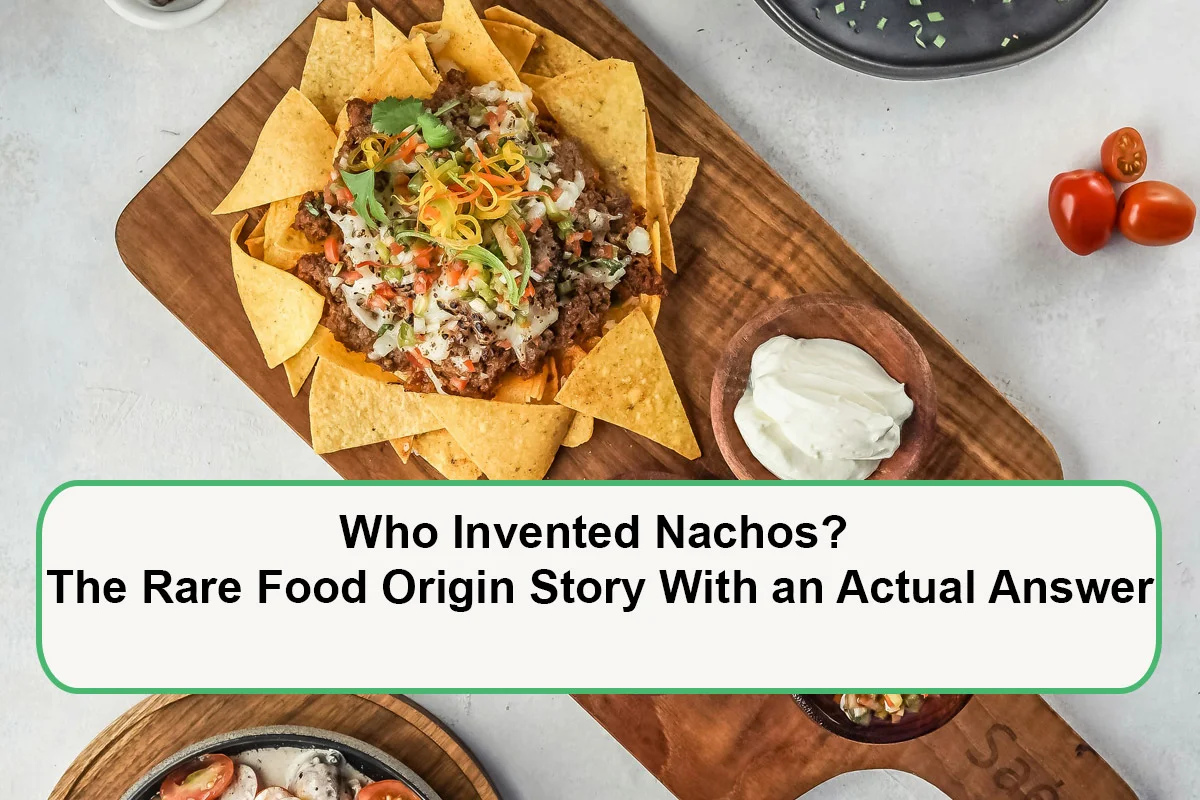
Mexican cuisine's influence on American food culture runs deep and long predates the current wave of upscale Mexican restaurants now common in major U.S. cities, stretching back through generations of Mexican American communities in the Southwest who kept regional traditions alive long before national chains or food media took notice, and dishes like tacos, burritos, and nachos each carry their own specific origin stories worth knowing on their own. For more on how individual dishes crossed into mainstream American dining, see our guides on where tacos originated, who invented burritos, and who invented nachos. To see how Mexican cuisine compares with the other European tradition that helped shape it, our piece on the history of Spanish cuisine covers the other side of that centuries long culinary exchange.
Reviewed and verified by the Restaurant Listings Editorial Team for accuracy and relevance. Our content is researched using official restaurant sources, public records, government agencies, and recognized food safety and hospitality industry resources.
Last reviewed: September 2026
American Food History
 American Food History
 American Food History