 Food Knowledge
What Is a Prix Fixe Brunch?
Published On 13-11-2026
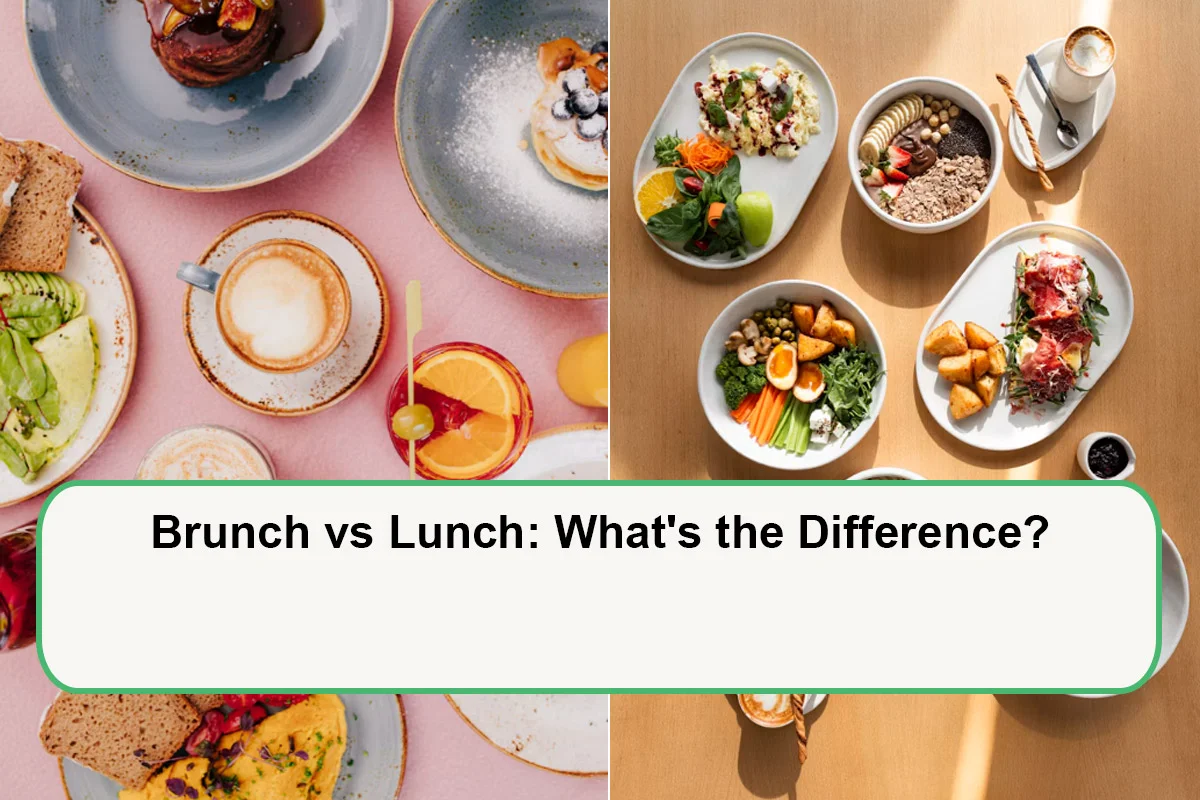
Brunch and lunch both land in the middle of the day, and on many restaurant menus they even share dishes. A burger or a Cobb salad can show up at either meal. Yet most diners know the two feel completely different. Brunch is slow, social, and weekend focused, with eggs, pancakes, and mimosas. Lunch is usually quicker and more practical, built around a workday schedule. The differences show up in the timing, the menu, the drinks, the price, the pace, and even how restaurants staff their kitchens.
This guide breaks down brunch versus lunch side by side, explains when each meal is served, and helps you choose the right one for your plans.
Brunch is a leisurely late morning meal, usually served from about 10 a.m. to 3 p.m. on weekends, that combines breakfast and lunch dishes and often includes brunch cocktails. Lunch is the midday meal, usually served from about 11 a.m. to 2 or 3 p.m. every day, focused on savory dishes such as sandwiches, salads, soups, and entrees, and typically eaten faster. Brunch replaces both breakfast and lunch; lunch follows breakfast.
| Feature | Brunch | Lunch |
|---|---|---|
| Typical hours | About 10 a.m. to 3 p.m. | About 11 a.m. to 2 or 3 p.m. |
| Days | Mostly Saturday and Sunday, plus holidays | Every day, especially weekdays |
| Replaces | Breakfast and lunch | Only lunch |
| Menu | Mix of breakfast and lunch dishes, sweet and savory | Mostly savory: sandwiches, salads, soups, entrees |
| Signature dishes | Eggs Benedict, pancakes, French toast, chicken and waffles | Burgers, club sandwiches, grain bowls, pasta |
| Drinks | Coffee, juice, mimosas, Bloody Marys | Iced tea, soft drinks, water, coffee; less alcohol |
| Pace | Leisurely, often 90 minutes or more | Efficient, often 30 to 60 minutes |
| Mood | Social, celebratory, relaxed | Practical, business or quick break |
| Formats | A la carte, buffet, prix fixe, bottomless drinks | A la carte, lunch specials, counter service, prix fixe lunch |
| Reservations | Often essential at popular spots | Usually easier, except at business districts |
Brunch is designed for days off. It begins after a later wake up, so many restaurants start brunch service at 10 or 11 a.m. and continue until 2 or 3 p.m. Because it replaces both breakfast and lunch, brunch is often the first real meal of the day, and many people eat a lighter dinner afterward.
Lunch fits into the rhythm of a workday. In the United States, lunch rushes typically peak from about noon to 1 p.m., when office workers take their breaks. Lunch usually follows breakfast and comes before an afternoon of work or errands. Restaurants that serve both meals often run brunch on Saturday and Sunday and lunch on weekdays, switching menus based on the day.
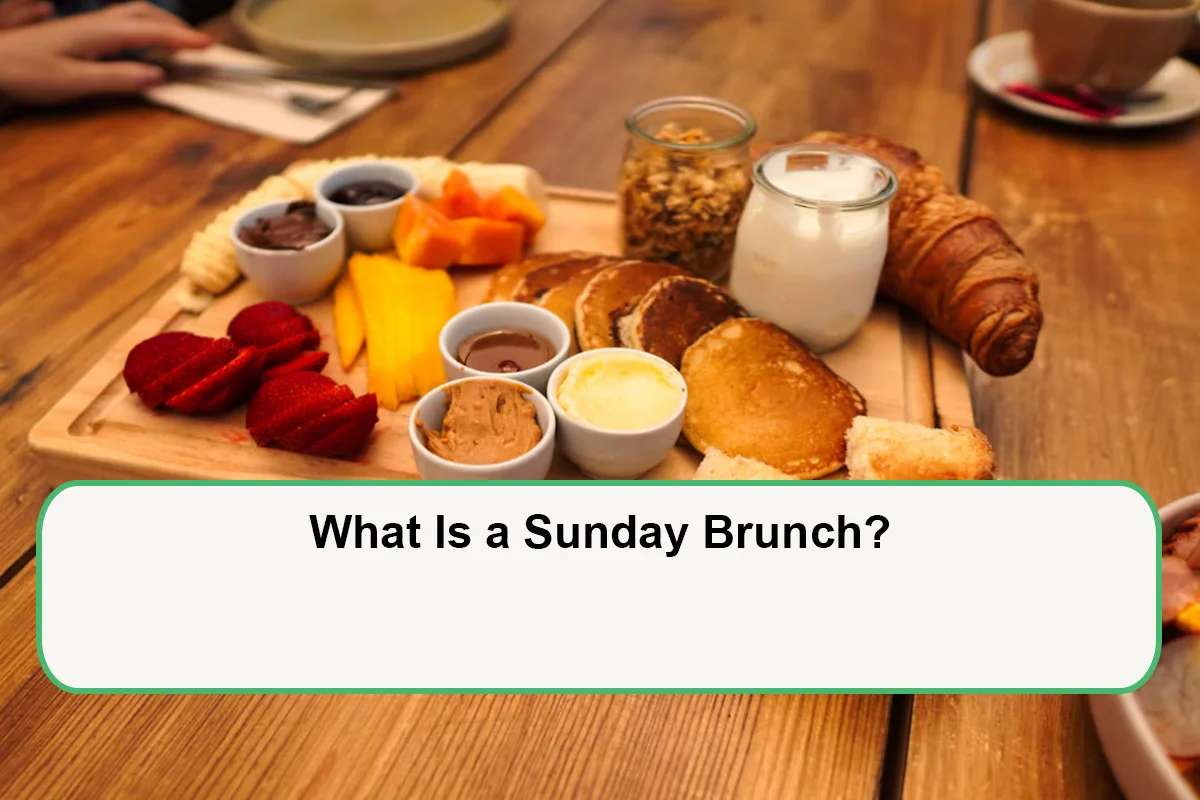
Brunch menus deliberately combine breakfast and lunch. Diners can choose sweet plates such as pancakes, waffles, and French toast, egg dishes such as Benedicts, omelets, and shakshuka, and savory lunch plates such as burgers, salads, and sandwiches, all from the same menu. Hybrid dishes such as chicken and waffles, breakfast burgers topped with a fried egg, and breakfast tacos sit squarely in the middle. Pastry baskets, cinnamon rolls, and fruit plates are popular for sharing. Our guide to Sunday brunch lists more typical dishes.
Lunch menus focus on savory, filling dishes that can be served quickly: sandwiches, wraps, burgers, soups, salads, grain bowls, pasta, tacos, and smaller versions of dinner entrees. Many restaurants offer lunch combos, such as soup and half sandwich, or lunch specials with smaller portions and lower prices than dinner. Breakfast items appear only at restaurants that serve breakfast all day.
Alcohol is a defining feature of brunch for many diners. Mimosas, Bloody Marys, bellinis, micheladas, and espresso martinis are brunch classics, and some restaurants offer bottomless drink packages where state law allows. Coffee and fresh juice are also central; our guide to types of coffee drinks explains the cafe options.
At lunch, alcohol is less common, especially on workdays. Diners usually order water, iced tea, soft drinks, sparkling water, or coffee. Business lunches may include a glass of wine, but the long liquid lunch is far less common than it once was.
Brunch is meant to be lingered over. Friends catch up, families celebrate, and tables often stay for 90 minutes to two hours. Music, sunny patios, and festive drinks set a relaxed, celebratory mood. At busy restaurants, staff may set time limits to keep tables turning, especially with bottomless drink deals.
Lunch is generally faster. Many diners have 30 to 60 minutes before they need to return to work, so restaurants focus on quick ordering, fast kitchen times, and prompt checks. Fast casual restaurants are especially popular at lunch for this reason; our guide to fast food versus fast casual explains the format, and our guide to comparing pickup times helps when you are short on time.
Brunch is often more expensive than lunch at the same restaurant. Brunch entrees can be priced closer to dinner, specialty coffees and cocktails add to the bill, and buffets and holiday brunches carry premium prices. Lunch is often a restaurant's best value: many restaurants offer lunch specials, smaller portions, and prix fixe lunch menus that cost less than dinner. If you want to try an upscale restaurant on a budget, lunch is frequently the smartest time to go.
For restaurants, brunch is a demanding service. Kitchens cook huge volumes of eggs to order, keep hollandaise warm, and turn out pancakes and waffles alongside lunch plates, often for a packed dining room. Many restaurants staff brunch like a dinner service. Lunch is usually steadier and simpler, with a shorter menu and a peak that lasts about an hour.
Brunch can be one of the heaviest meals of the week: eggs Benedict, pancakes with syrup, bacon, fried potatoes, and cocktails add up fast. Because brunch replaces two meals, a bigger plate can make sense, but balance helps. Choose a veggie omelet or egg white scramble, fruit instead of potatoes, and a single cocktail or a coffee. Our guide to healthy restaurant breakfasts highlights options with protein and fiber.
Lunch makes it easier to eat lighter: salads, grain bowls, grilled proteins, soups, and half sandwich combos are widely available. Our guides to healthier lunch options at fast casual restaurants and restaurant salads that make a complete meal offer ideas.
Not exactly. A late breakfast is still breakfast: eggs, toast, cereal. Brunch is a distinct meal with its own menu, drinks, and social character. It deliberately mixes breakfast and lunch, and it usually replaces both. The word itself, a blend of "breakfast" and "lunch," dates to 1890s Britain; our history of brunch explains how it became an American weekend tradition.
Some dishes travel easily between the two menus, which is why the line between brunch and lunch can feel blurry. A cheeseburger, a Cobb or Caesar salad, a club sandwich, fish tacos, and a cup of soup appear on many brunch and lunch menus alike. At brunch, restaurants often dress these dishes up for the occasion: a burger gains a fried egg and bacon, a salad gets a poached egg, and a sandwich comes on a croissant or brioche. At lunch, the same dishes are usually simpler, served faster, and paired with fries, chips, or a side salad. If you are torn between the two meals, these crossover dishes let you enjoy a midday meal without committing to pancakes or eggs Benedict.
Tipping customs are the same at both meals: tip based on the full bill before discounts, including drinks. Brunch groups are often larger, so consider asking for separate checks when you book. Our guides on how much to tip and splitting the bill cover the details.
Browse our American restaurants near you for diners, cafes, and bistros serving weekend brunch and weekday lunch, or try our Italian, Mexican, and Greek restaurant directories for lunch specials and brunch plates with a different accent. Check hours on each listing, since brunch and lunch service times vary by day.
Brunch and lunch overlap in time but differ in purpose. Brunch is a leisurely weekend meal that replaces breakfast and lunch, mixes sweet and savory dishes, and often includes cocktails. Lunch is a practical, everyday midday meal focused on savory dishes, served quickly, and often at a better price. Pick brunch for celebrating and lingering, and lunch for efficiency and value. For more dining guides, explore our dining guides and concepts collection.
Reviewed and verified by the Restaurant Listings Editorial Team for accuracy and relevance. Our content is researched using official restaurant sources, public records, government agencies, and recognized food safety and hospitality industry resources.
Last reviewed: November 2026