 Food Knowledge
Restaurant Menus with Plant-Based Protein Alternatives: Nutr...
Published On 30-10-2026
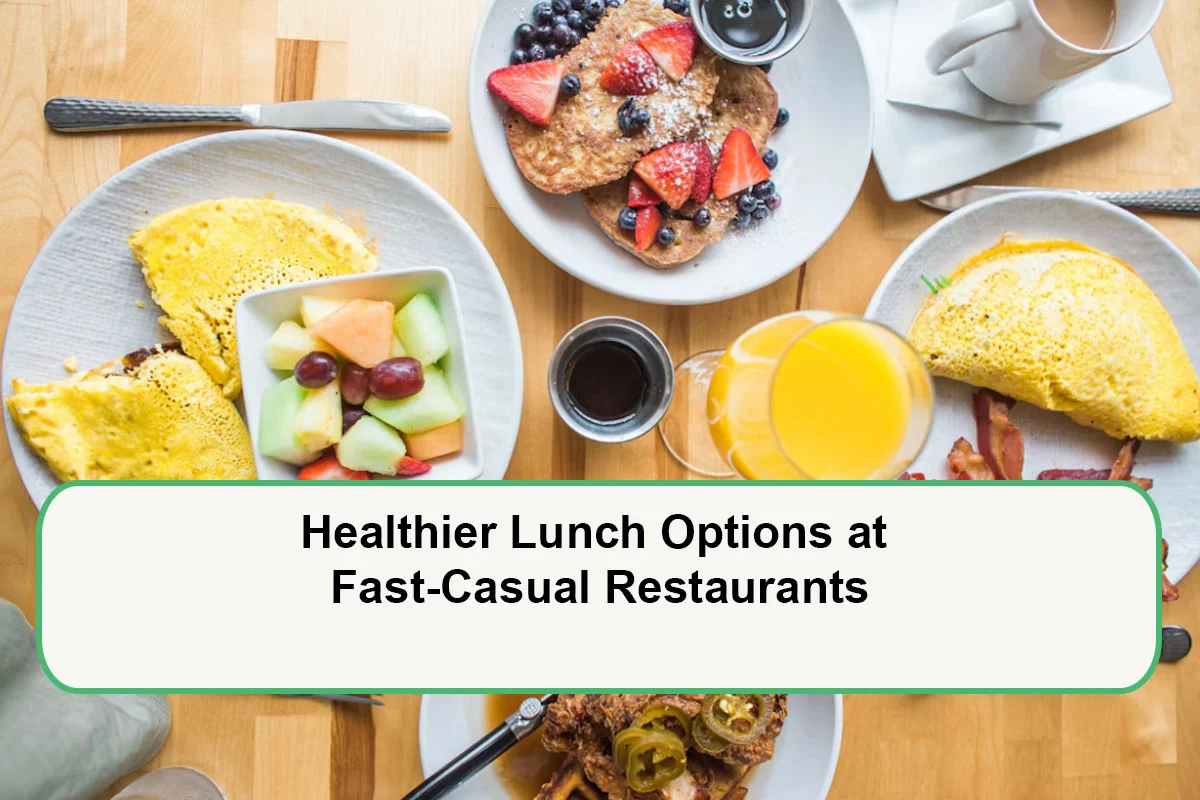
Fast casual restaurants have changed how America eats lunch. Instead of a burger and fries, millions of office workers now grab a grain bowl, a build your own burrito bowl, a salad, or a soup and half sandwich. These restaurants feel healthier, and many are, but the same menu that offers a balanced 500 calorie bowl can also produce a 1,200 calorie lunch with a full day's sodium.
This guide explains how to find healthier lunch options at fast casual restaurants, with practical bowl building formulas, chain examples, and the toppings that quietly add up.
Nutrition figures in this guide are based on the chains' published nutrition information at the time of writing and are rounded. Recipes and portions change, so check each chain's current nutrition calculator before you order.
The healthiest fast casual lunch combines a lean protein, a large portion of vegetables, a moderate serving of beans or whole grains, and one flavorful but light sauce. At Chipotle, that might be supergreens, chicken, black beans, fajita vegetables, and fresh salsa. At Mediterranean and salad chains, look for grilled chicken or falafel with greens, a half portion of grains, and dressing on the side. Watch chips, cheese, creamy sauces, and oversized grain bases.
Fast casual restaurants sit between fast food and table service. Food is usually made to order from fresh components on an assembly line, and you choose each ingredient. That flexibility is the biggest advantage for healthy eating: you can see exactly what goes into your meal and swap ingredients freely. It is also the biggest risk, because every added scoop counts. Our guide to the difference between fast food and fast casual restaurants explains the format in detail.
A simple framework works at almost any bowl, salad, or burrito restaurant:
Chipotle's published nutrition makes it easy to see how ingredients add up. Supergreens are about 15 calories, fajita vegetables about 20, and fresh tomato salsa about 20, while black or pinto beans are about 120 calories each. Brown rice is about 160 calories and white rice about 170. The richest additions are guacamole (about 150), sour cream (about 120), cheese (about 100), and a side of chips (about 570). A supergreens bowl with chicken, beans, fajita vegetables, and salsa is a filling, high protein, high fiber lunch. Chipotle's 2026 High Protein Menu adds options such as a chicken cup with 32 grams of protein.
Mediterranean chains such as CAVA build bowls from greens, grains, dips, proteins, and vegetables. Choose a greens or half grain base, grilled chicken or falafel, plenty of vegetables, and one or two dips such as hummus or tzatziki rather than several. CAVA publishes allergen and nutrition information for each component. See our guide to which chains publish complete allergen menus.
Salad focused chains make vegetables the star, but dressings, cheese, nuts, crispy toppings, and grain add ons can turn a salad into a high calorie meal. Choose one crunchy topping, one cheese, and a vinaigrette, and ask for dressing on the side.
Panera's menu includes salads, grain bowls, soups, and sandwiches. Its Mediterranean Grain Bowl runs roughly 590 to 650 calories depending on options. The You Pick Two format, pairing a cup of soup with half a salad or half a sandwich, is one of the best ways to control portions. Broth based soups are usually lighter than cream based ones, though many soups are high in sodium.
Subway's No Bready Bowls turn sandwich fillings into salads, such as the Turkey Breast bowl at about 160 calories or the Oven Roasted Chicken bowl at about 200. A 6 inch sandwich on whole grain bread loaded with vegetables is another balanced option.
| Add on | Approximate calories (Chipotle example) | Tip |
|---|---|---|
| Supergreens | About 15 | Use as the base for volume |
| Fajita vegetables | About 20 | Add freely |
| Fresh tomato salsa | About 20 | Big flavor, few calories |
| Black or pinto beans | About 120 | Adds fiber and protein |
| Brown or white rice | About 160 to 170 | Consider a half scoop |
| Cheese | About 100 | Pick cheese or guacamole, not both |
| Sour cream | About 120 | Swap for salsa |
| Guacamole | About 150 | Healthy fats, but calorie dense |
| Chips (side) | About 570 | Share or skip |
Choose double protein, add beans, and pick egg, chicken, steak, or tofu. Protein focused menus, like Chipotle's, make this simple.
Start with greens, skip the grain or tortilla, and add vegetables and beans for fiber. Our guide for eating out with diabetes has more ideas.
Fast casual meals can be surprisingly salty because sauces, cheese, pickled toppings, and seasoned proteins each add sodium. Choose fresh vegetables and plain beans, limit cheese and dressings, and see our guide to lower sodium meals at popular chains.
Kids' bowls, half salads, and soup and salad pairings are useful for lighter eaters. Our guide to smaller portions and half size entrees covers the options.
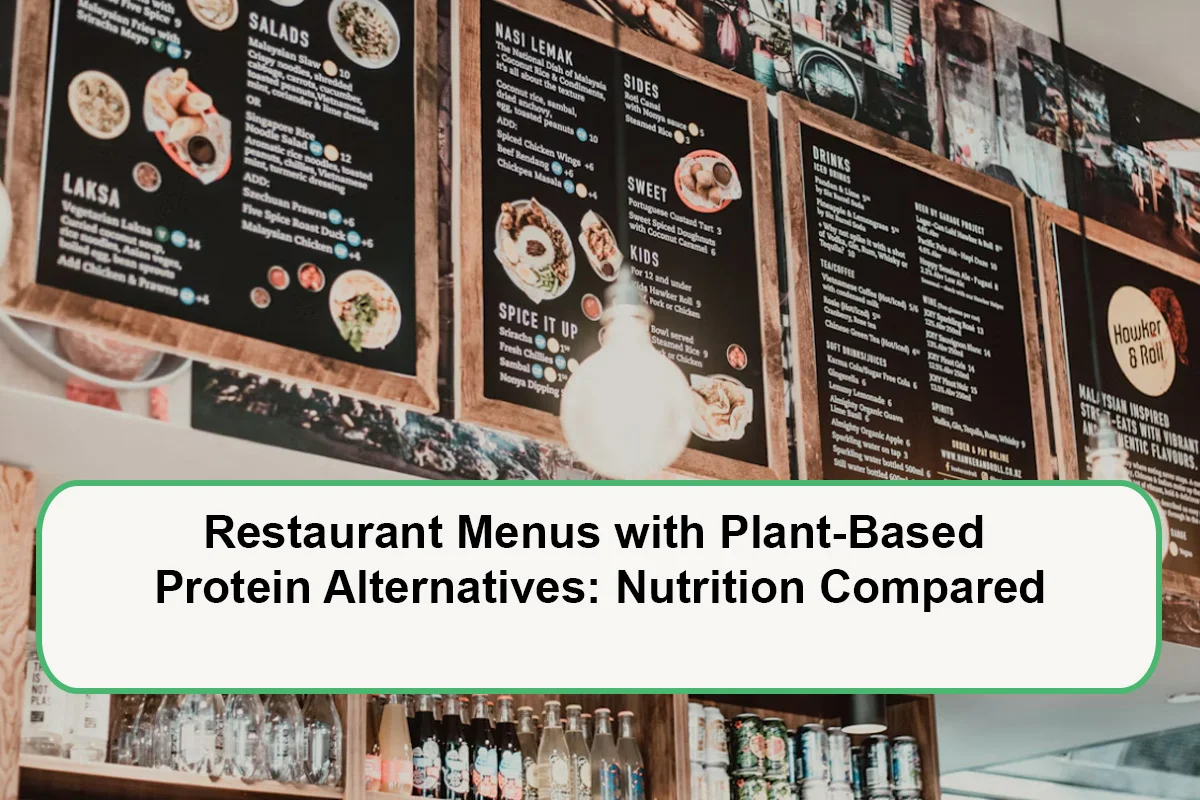
Plant based bowls can be among the healthiest fast casual lunches, as long as they include enough protein. Sofritas, tofu, tempeh, falafel, lentils, chickpeas, and beans all add protein and fiber. Pair two plant proteins, such as tofu with black beans or falafel with hummus, to reach a more filling total, and add plenty of vegetables. Be mindful that falafel is usually fried, so it carries more calories than grilled tofu, and that vegan sauces can still be rich.
Ordering in an app is not just convenient; it is one of the best ways to eat well. You can see nutrition as you build, avoid impulse add ons at the counter, and save a go to order for busy days. If you eat at your desk, take a few minutes away from the screen. Eating more slowly helps you notice when you are full. If the bowl is large, set aside half for an afternoon snack or tomorrow's lunch.
Most fast casual chains publish detailed nutrition, and many let you build a bowl online and see the totals update as you add each ingredient. Build your usual order once, note the numbers, and save it in the app for quick reordering. Our guide to restaurants with full nutrition information online explains how these tools work and how accurate they are.
The classic soup and half sandwich pairing is one of the easiest ways to control a fast casual lunch. Choose a broth or vegetable based soup rather than a cream soup or chowder, and pair it with half a sandwich on whole grain bread or half a salad. Keep in mind that soups are often among the saltiest items on any menu, so if sodium matters to you, a cup is a better choice than a bowl.
Independent cafes, delis, and ethnic restaurants often offer excellent healthy lunches without published nutrition. Look for grilled proteins, vegetable heavy plates, broth based soups, and dishes built around beans and grains. Vietnamese pho, Japanese bento, Mediterranean plates, and Mexican grilled dishes are often good starting points. Browse Thai restaurants, Greek restaurants, and Mexican restaurants near you for ideas.
Fast casual restaurants make it easy to eat a healthy lunch, because you choose every ingredient. Build around greens, lean protein, beans, and vegetables; keep grains moderate; pick one rich topping; and choose bright, light sauces. Skip the chips and sweet drinks, and use the chain's nutrition calculator to check your usual order. For more practical dining advice, explore our food knowledge collection.
Reviewed and verified by the Restaurant Listings Editorial Team for accuracy and relevance. Our content is researched using official restaurant sources, public records, government agencies, and recognized food safety and hospitality industry resources.
Last reviewed: October 2026