 Food Knowledge
What Is a Prix Fixe Brunch?
Published On 13-11-2026
In Mexico City, mornings often start with a bicycle bell and a call of "tacos, tacos de canasta!" Vendors pedal through neighborhoods with a large basket strapped behind the seat, lined with paper and plastic and wrapped in cloth. Inside are dozens of small tacos, stacked and steaming, bathed in warm oil or chile flavored fat. They are soft, savory, cheap, and ready in seconds. Known as tacos de canasta, or basket tacos, they are among Mexico's most beloved street foods.
This guide explains what tacos de canasta are, where they come from, how they are made, the classic fillings, how they compare with other tacos, and how to find and enjoy them in the United States.
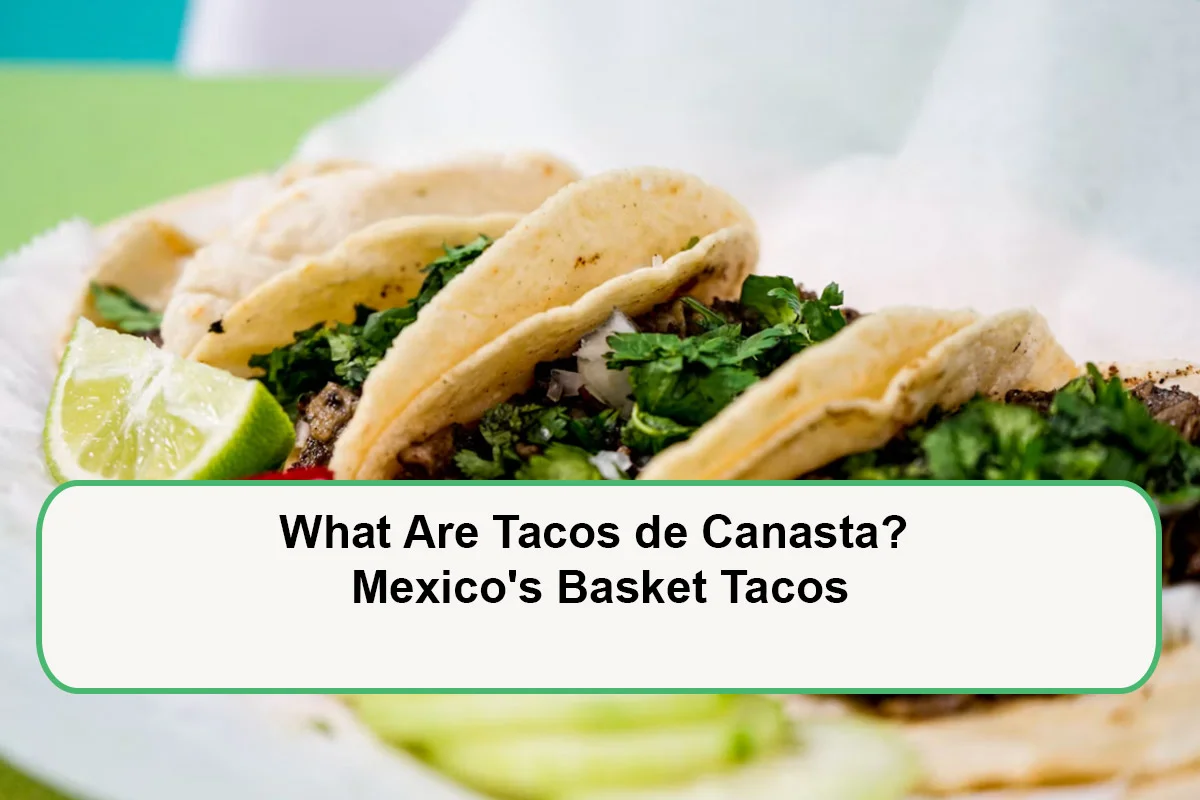
Tacos de canasta are small, soft corn tortilla tacos filled with fillings such as potato, refried beans, chicharron, and adobo, then layered in a cloth lined basket and bathed in hot oil or seasoned fat. The basket keeps them warm, and the trapped steam softens them, which is why they are also called tacos sudados, or "sweaty tacos." They are associated with the town of San Vicente Xiloxochitla in Tlaxcala and are sold from bicycles and street stalls, especially in Mexico City.
Canasta means "basket" in Spanish, so tacos de canasta means basket tacos. The name comes from the large woven basket vendors use to carry and sell them. The nickname tacos sudados, or sweaty tacos, describes their soft, steamy texture. In some regions, similar steamed tacos are called tacos al vapor.
Selling tacos from baskets in Mexico City has a long history, and many accounts trace it back more than a century. The modern basket taco tradition is most closely associated with San Vicente Xiloxochitla, a small town in the state of Tlaxcala, east of Mexico City, where the form took shape around the mid twentieth century. As farming became less profitable, many families turned to making and selling tacos. Estimates suggest that a large share of the town's families, often cited as half or more, are involved in the trade.
Each night, families prepare the fillings. Early in the morning, vendors pack baskets and travel to Mexico City and nearby towns, some by bicycle and others by bus or truck, to sell from mid morning to afternoon. The town celebrates its specialty with an annual taco fair. For the broader story of the taco, read our article on who invented tacos.
| Filling | What it is |
|---|---|
| Papa | Mashed potato, often with chile or chorizo |
| Frijol | Refried black or pinto beans |
| Chicharron | Pork rinds simmered in green or red salsa until soft |
| Adobo | Shredded meat, often pork or beef, in a red chile adobo sauce |
| Mole verde | Shredded meat or chicken in a green mole sauce |
| Tinga | Shredded chicken in tomato and chipotle sauce, found at some vendors |
Potato, beans, chicharron, and adobo are the four most traditional fillings. Many vendors offer a few of each and let customers mix and match.
Tacos de canasta are small, usually a few bites each, and customers often order several at once, choosing a mix of fillings. Vendors hand them over on a small plate or wrapped in paper. Toppings are simple: a spoonful of salsa, often a green salsa or a creamy guacamole style salsa, and sometimes pickled jalapenos, carrots, or onions. Unlike many tacos, they are not piled with cilantro and onion; their flavor comes from the fillings and the oil bath. They are typically very inexpensive, which makes them a favorite breakfast or quick lunch for workers and students.
| Taco | How it is cooked | Texture | Typical fillings |
|---|---|---|---|
| Tacos de canasta | Filled in advance, layered in a basket with hot oil, and steamed | Soft, moist, tender | Potato, beans, chicharron, adobo |
| Tacos al pastor | Marinated pork roasted on a vertical spit | Crisp edges, juicy | Pork, pineapple, onion, cilantro |
| Tacos de guisado | Stews spooned into fresh tortillas to order | Soft, saucy | A wide range of stews |
| Tacos dorados | Filled and fried until crisp | Crunchy | Potato, chicken, beef |
| Tacos al vapor | Steamed in a large pot | Soft | Beef head, tongue, cheek, potato, beans |
| Birria tacos | Stewed meat, often griddled and served with consomme | Crisp, juicy | Beef or goat |
As Mexican immigrants from Mexico City, Tlaxcala, and central Mexico settled across the United States, tacos de canasta followed. You can find them at taquerias specializing in Mexico City street food, at weekend markets, and from street vendors in cities with large Mexican communities, such as Los Angeles, Chicago, Houston, and New York. Some restaurants sell them by the dozen for parties, delivered in the traditional basket or a cooler. They remain less common than tacos al pastor or carne asada, so finding a good basket taco vendor feels like discovering a local secret.
Explore restaurants in Chicago, home to a large Mexican community, or our guide to Mexican food in Phoenix and restaurants in Tucson for Southwest options.
Tacos de canasta are woven into the daily rhythm of Mexico City. Vendors park their bicycles at busy corners, outside metro stations, near offices, schools, and hospitals, and set up a small stand with a bucket of salsa. Office workers grab a few on their way in, students buy them between classes, and construction crews eat them standing up. Because the tacos are prepared in advance, service is almost instant, and a full basket can sell out by early afternoon. Many vendors are known by their regulars and keep the same spot for years, building a loyal following around their particular salsa or signature filling. In recent years, basket taco vendors have even become local celebrities, featured in food documentaries and travel shows that highlight Mexico City street food.
Tacos de canasta are small but rich, because they are bathed in oil or lard. Bean and potato fillings make them a good option for vegetarians, though the oil may be lard, so ask if you avoid animal fats. Corn tortillas are naturally gluten free, but fillings and shared equipment can vary, so ask about ingredients. Our guides to healthier Mexican restaurant orders and handling food allergies when dining out offer practical tips.
To make basket tacos for a party, prepare two or three fillings, such as potato with chile, refried beans, and shredded pork in adobo. Warm small corn tortillas, fill and fold them, and layer them in a pot or cooler lined with paper and a clean towel. Between layers, drizzle warm oil infused with dried chile and garlic, and add sliced onions. Cover tightly and let rest for at least 30 minutes before serving with salsa. The tacos will soften and steam just like the street version.
Tacos de canasta are one small part of Mexico's vast culinary tradition. Explore our history of Mexican cuisine, and read about who invented burritos and who invented nachos.
Use our Mexican restaurants near you directory to find taquerias and Mexican restaurants in your area, and check menus for Mexico City style street tacos, guisados, and basket tacos.
Tacos de canasta are small corn tortilla tacos filled with potato, beans, chicharron, or adobo, layered in a cloth lined basket, bathed in warm oil, and steamed until soft. Associated with San Vicente Xiloxochitla in Tlaxcala and sold from bicycles across Mexico City, they are cheap, comforting, and full of flavor. Order a few, add a little salsa, and eat them warm. For more food history, explore our food knowledge collection.
Reviewed and verified by the Restaurant Listings Editorial Team for accuracy and relevance. Our content is researched using official restaurant sources, public records, government agencies, and recognized food safety and hospitality industry resources.
Last reviewed: November 2026