
 Food History & Origins
Cincinnati Chili: Regional Styles and Local Restaurants
Published On 30-10-2026
Published by Restaurant Listings Editorial Team
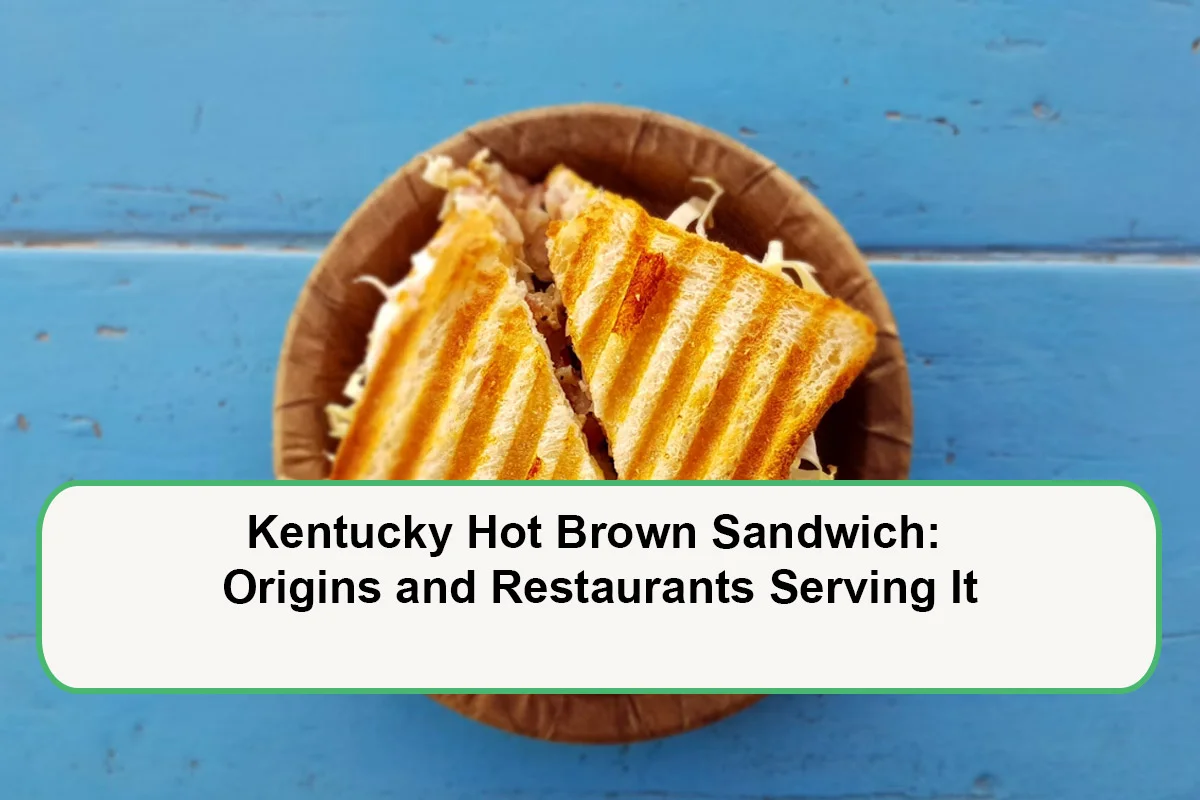
Few sandwiches are as rich, as theatrical, or as tied to one city as the Kentucky Hot Brown. It arrives open faced and bubbling in an oval dish: thick slices of roast turkey on toast, smothered in creamy Mornay sauce, broiled until golden, crossed with strips of bacon, and served with tomatoes. You eat it with a knife and fork. In 2026 the Hot Brown turned 100 years old, and it remains a must order for visitors to Louisville.
This guide covers the history of the Hot Brown, what goes into a traditional version, how it has evolved, and where to eat it today, starting with the hotel where it was born.
The Hot Brown was created in 1926 by chef Fred K. Schmidt at the Brown Hotel in Louisville, Kentucky, as a late night dish for guests who had spent the evening dancing. The original still serves it at J. Graham's Cafe (breakfast and lunch) and the Lobby Bar and Grill (dinner and late night) at 335 West Broadway. Many other Louisville restaurants serve classic versions or creative variations.
The Brown Hotel opened in downtown Louisville in 1923 and quickly became the city's social center. In the Jazz Age, hundreds of guests filled its ballroom for evening dinner dances. By the early morning hours, they were hungry, and the usual late night ham and eggs had grown tired. In 1926, chef Fred K. Schmidt created something more glamorous: an open faced sandwich of sliced roast turkey on toast, blanketed in Mornay sauce, broiled, and finished with bacon and pimento. At the time, turkey was usually reserved for holidays, which made the dish feel special.
The sandwich was first known as the Brown Hotel's new hot sandwich before taking the shorter name it carries today. It became the restaurant's best seller, and over the decades it spread across Kentucky. The Brown Hotel closed from 1971 to 1985, so the Hot Brown was unavailable at its birthplace for those years, but the hotel reopened and restored the dish to its menu. Today the hotel says it serves more than 40,000 Hot Browns a year, with upwards of 250 a day during the week before the Kentucky Derby.
Food historians see the Hot Brown as part of a family of open faced, sauced and broiled sandwiches popular in the early twentieth century, related in spirit to Welsh rarebit and the French croque monsieur. Its Mornay sauce, a bechamel enriched with cheese, comes straight from the French tradition; our history of French cuisine explains the classic mother sauces.
Some versions add pimento, paprika, or parsley. Imitations sometimes substitute a commercial cheese sauce or deli meat, which diners in Louisville tend to notice immediately.
The essential stop is the Brown Hotel at 335 West Broadway in downtown Louisville. J. Graham's Cafe serves breakfast and lunch, generally from early morning until about 2 p.m., and offers both a full size and a petite Hot Brown; the full size easily feeds two light eaters. The Lobby Bar and Grill serves the Hot Brown for dinner and late night in the hotel's ornate lobby, often with a pianist playing in the evenings. For the centennial, the hotel's kitchen also introduced playful variations such as Hot Brown dips, fries, and chowder. Save room for Derby pie, another Louisville signature.
Many Louisville restaurants serve their own Hot Browns, from classic versions to creative riffs. Bristol Bar and Grille, a long running local restaurant group, includes a Hot Brown on its menu, and diners regularly recommend it. Other kitchens have reinvented the dish: The Village Anchor has served a version made with chicken instead of turkey, Biscuit Belly builds one on homemade biscuits, Noosh Nosh has added queso and chorizo for a southwestern spin, and Sidebar at Whiskey Row has served a Hot Brown burger. Menus change often, so check before you go.
| Where | What to expect | Tip |
|---|---|---|
| J. Graham's Cafe, Brown Hotel | The original recipe, breakfast and lunch | Try the petite size if you want room for pie |
| Lobby Bar and Grill, Brown Hotel | The original for dinner and late night | Historic lobby setting, often with live piano |
| Bristol Bar and Grille | Local favorite with a classic Hot Brown | Several Louisville locations |
| Creative local kitchens | Chicken, biscuit, southwestern, and burger riffs | Check current menus |
The classic remains the benchmark, so try the original first, then explore the variations.
The Brown Hotel is busiest around the Kentucky Derby in early May, when hundreds of Hot Browns leave the kitchen every day. Weekday lunches outside Derby season are calmer. Reservations are a good idea for dinner at the Lobby Bar and Grill, and the cafe can fill up at lunch. The building itself, with its ornate lobby and historic details, is worth a look even if you only stop for a drink; it is listed on the National Register of Historic Places.
Part of the Hot Brown's staying power is that it captures a moment in American dining history: grand downtown hotels, dinner dances, and the glamour of the 1920s. Part of it is simply flavor. Salty bacon, savory turkey, rich cheese sauce, and bright tomato balance each other in a way that makes even a heavy dish feel celebratory. For many Louisville families, ordering a Hot Brown is a tradition reserved for visitors, birthdays, and Derby week.
The Hot Brown belongs to a proud tradition of regional American sandwiches tied to specific places, from Indiana's breaded pork tenderloin to Philadelphia's cheesesteak. Like those classics, it grew out of a particular moment and place: a grand hotel, a Jazz Age dance crowd, and a chef looking for something new. Our guide to Indiana's breaded pork tenderloin tells another Midwestern sandwich story, and our history of diners explains how many regional favorites spread.
The Hot Brown has cousins. St. Louis had the Prosperity Sandwich from the Mayfair Hotel in the 1920s, and Pittsburgh has the Turkey Devonshire from the 1930s. Both pair turkey with a creamy cheese sauce baked or broiled on toast, reflecting a shared era of hotel dining.
A Hot Brown pairs naturally with Louisville's other traditions: bourbon distilleries, Derby pie, burgoo, and the city's growing restaurant scene. For Southern comfort food elsewhere on your travels, our histories of fried chicken and Nashville hot chicken make good companions, and our directory of American restaurants near you helps you find classic comfort food anywhere.
The Hot Brown is an indulgence, rich with cheese sauce, bacon, and buttered toast. If you are watching calories, sodium, or saturated fat, order the petite version, share it, or pair it with a salad. Our guide to lower sodium meals offers general strategies for rich restaurant dishes.
The Kentucky Hot Brown was created in 1926 by chef Fred K. Schmidt at Louisville's Brown Hotel for hungry late night dancers, and in 2026 it celebrated its 100th anniversary. The original is still served at J. Graham's Cafe and the Lobby Bar and Grill at the Brown Hotel, while restaurants across Louisville serve classic versions and creative riffs. Order it with a knife and fork, share if you need to, and make it the centerpiece of any Louisville visit. For more regional food stories, explore our American food history collection.
Reviewed and verified by the Restaurant Listings Editorial Team for accuracy and relevance. Our content is researched using official restaurant sources, public records, government agencies, and recognized food safety and hospitality industry resources.
Last reviewed: October 2026
Food History & Origins
 Food History & Origins
 Food History & Origins