
 Dining Guides & Concepts
Restaurants with Sensory-Friendly Dining Hours in the USA
Published On 11-10-2026
Published by Restaurant Listings Editorial Team
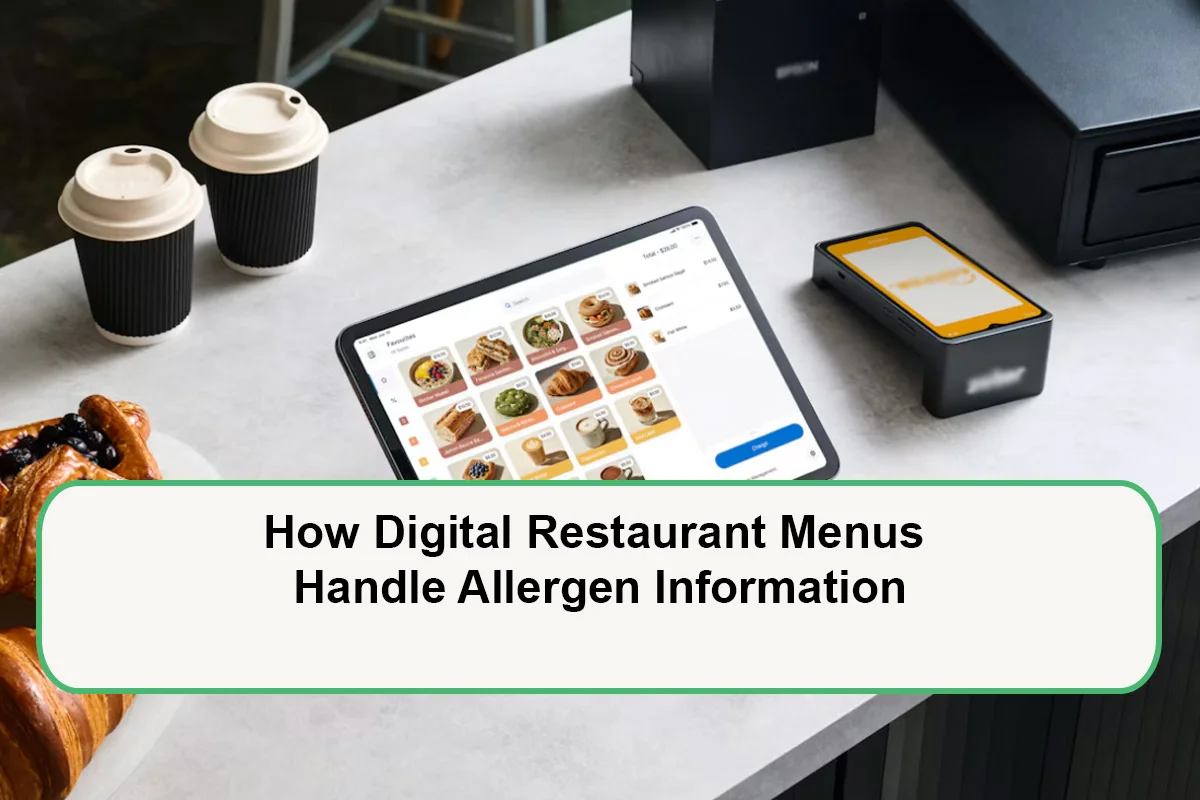
For the millions of Americans living with food allergies, the menu is the first line of defense. As restaurants move from printed menus to QR codes, ordering apps, kiosks, and online delivery platforms, the way allergen information is presented has changed dramatically. Done well, digital menus can be far more detailed and easier to filter than any printed menu. Done poorly, they hide critical information behind extra taps or leave it out entirely.
This guide explains how digital restaurant menus handle allergen information, what federal and state rules require in 2026, what good allergen tools look like, and how diners can protect themselves. For the conversation you should have with your server, see our companion guide on how to handle food allergies when dining out.
U.S. law recognizes nine major food allergens: milk, eggs, fish, crustacean shellfish, tree nuts, peanuts, wheat, soybeans, and sesame. Sesame was added most recently. According to the FDA, it became a major food allergen on January 1, 2023, under federal law and the 2022 FDA Food Code. These nine are the allergens most digital menus track, although responsible restaurants also note other common triggers such as mustard, celery, or specific seeds when they can.
The FDA Food Code is a model code that states and local health departments adopt, sometimes with changes. The 2022 Food Code says food establishments must notify consumers in writing about major food allergens in unpackaged food, and it lists menu notices, table tents, placards, and other effective written means as acceptable formats. It also calls for allergen awareness training for food employees. Because each state decides whether and when to adopt the latest Food Code, requirements vary across the country.
California has taken the biggest step so far. Its Allergen Disclosure for Dining Experiences Act (SB 68), which took effect on July 1, 2026, requires restaurant chains with 20 or more California locations to disclose which of the nine major allergens are known or reasonably expected to be in each menu item. Restaurants can list allergens directly on the menu or digitally, for example through a QR code linking to an online allergen menu, but if they choose a digital option, they must also offer a non digital alternative such as a printed allergen chart. That requirement is a direct response to the rise of digital menus.
New York enacted an allergen law in November 2025 that requires written allergen notice on food packaged for off premises sale, with an expected effective date in late 2026. Bills introduced in Maryland, Illinois, Michigan, and Missouri in late 2025 and early 2026 would require restaurants to provide written allergen disclosures for menu items. Several states, including Massachusetts and Michigan, have also had food allergy awareness requirements for restaurants for years, such as posters for staff and menu notices asking customers to tell their server about allergies. Because these laws are changing quickly, check your state health department's website for the current rules.
| Rule | Who it covers | Key requirement | Status |
|---|---|---|---|
| FDA Food Code (2022 model) | Food establishments in states that adopt it | Written notice of major allergens in unpackaged food | Adopted state by state |
| California SB 68 | Chains with 20 or more California locations | Disclose nine major allergens per item; digital option needs a printed backup | Effective July 1, 2026 |
| New York allergen law | Food prepared for off premises sale | Written allergen notice on packages or labels | Signed November 2025; expected late 2026 |
| Maryland, Illinois, Michigan, Missouri bills | Restaurants (varies by bill) | Written allergen disclosure for menu items | Proposed |
Restaurants use several approaches, often in combination.
The most helpful digital menus let you select your allergens and then hide or flag every item that contains them. Some go further and suggest modifications, such as removing a sauce or swapping a bun, that make a dish compatible. Filters are much faster and less error prone than reading a long chart, especially for people with multiple allergies.
Many chains publish an allergen matrix: a grid with menu items down one side and allergens across the top, with checkmarks showing which allergens each dish contains. These are thorough but hard to read on a phone, and they often list base items rather than customized orders.
Some digital menus show small icons next to each item, such as a peanut or wheat symbol, with a full ingredient list one tap away. Icons are quick to scan, but they can mislead if they show only some allergens or if a legend is missing.
QR code menus became common during the pandemic and stayed. Their quality varies widely. Some link to full ordering platforms with allergen filters, while others simply display a photo or PDF of the printed menu with no allergen data at all.
Self order kiosks and restaurant apps can carry allergen information directly into the order. Some flag allergens during customization or attach an allergy note to the ticket that goes to the kitchen. Others allow special instructions, but there is no guarantee the kitchen sees or acts on a free text note.
Delivery platforms frequently show less allergen information than the restaurant's own website. Menus may be simplified, and modifications can be lost between the app and the kitchen. If allergies are serious, check the restaurant's own allergen information and consider calling directly.
From a diner's perspective, the best digital allergen tools share these features:
Tasting menus deserve special mention. Because dishes are fixed and often numerous, give the restaurant as much notice as possible. Our guide on how tasting menus work covers what to expect.
When you find an allergen chart or filter online, these questions help you judge how much to trust it:
If the answers are unclear, call the restaurant during a quiet time, such as mid afternoon, when a manager is more likely to have time to check ingredient labels with you.
Clear allergen information is no longer a nice extra. It reduces risk, builds trust with a large group of loyal guests, and increasingly is a legal requirement. Restaurants that already publish full nutrition information, required on request for chains with 20 or more locations under the federal menu labeling rule, often add allergen data to the same tools. Our guide to restaurants with online menus that include full nutrition information explains how those systems work.
Digital menus can make allergen information more detailed and easier to filter than ever before, and California's SB 68 now requires large chains to disclose the nine major allergens for every item, with a printed backup for digital menus. But digital tools are only as good as their data, and they rarely capture cross contact. Use them to narrow your choices, then confirm with staff before you eat. For more dining guidance, browse our food knowledge collection.
Reviewed and verified by the Restaurant Listings Editorial Team for accuracy and relevance. Our content is researched using official restaurant sources, public records, government agencies, and recognized food safety and hospitality industry resources.
Last reviewed: October 2026
Dining Guides & Concepts
 Dining Guides & Concepts
 Dining Guides & Concepts