 Uncategorized
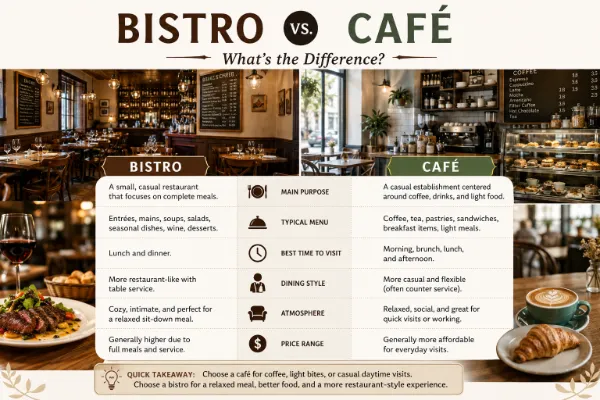
Difference Between Bistro and Café: What Diners Should Know...
Published On 07-07-2026
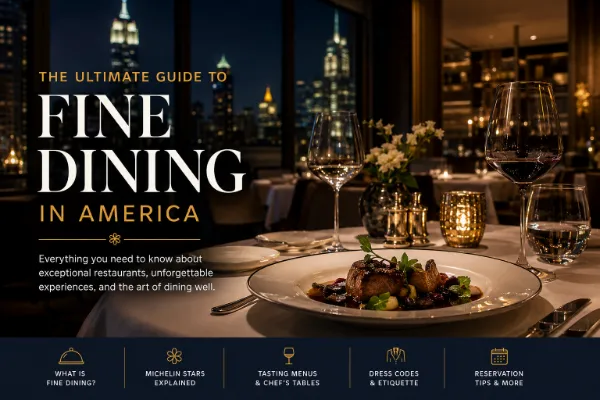
There is something unforgettable about walking into an exceptional restaurant. The lighting feels intentional. Every table is perfectly arranged. Glassware sparkles beneath warm ambient lighting, servers greet guests with confidence, and the aroma coming from the kitchen hints that every plate has been carefully prepared long before it reaches the dining room.
Fine dining is about far more than expensive ingredients or white tablecloths. The best restaurants create memorable experiences through hospitality, craftsmanship, creativity, and consistency. Every detail—from the welcome at the front door to the final dessert—is designed to leave guests feeling that their evening was worth remembering.
Across the United States, fine dining has evolved dramatically. Traditional French-inspired restaurants now share the spotlight with innovative tasting-menu concepts, chef-driven neighborhood restaurants, contemporary steakhouses, elevated Japanese omakase experiences, modern Italian kitchens, and restaurants that celebrate regional American ingredients.
Whether you're planning an anniversary dinner, searching for a Michelin-recognized restaurant, celebrating a milestone, or simply exploring America's best culinary destinations, understanding what separates an outstanding restaurant from an average one helps you make better dining decisions.
This RestaurantListings guide explains what fine dining really means, how to recognize exceptional restaurants, what to expect before your reservation, and how to choose the right restaurant for every occasion.
Fine dining refers to restaurants that deliver an elevated culinary experience through exceptional food, refined service, carefully designed interiors, premium ingredients, and meticulous attention to detail.
Unlike casual restaurants, fine dining establishments invest heavily in every stage of the guest experience. From sourcing seasonal ingredients to staff training and menu development, every decision is intended to exceed expectations rather than simply serve a meal.
Today's fine dining restaurants are no longer defined by rigid traditions. While classic elegance remains important, many of America's best restaurants now embrace relaxed sophistication, allowing guests to enjoy world-class cuisine without unnecessary formality.
Fine dining isn't defined by price—it is defined by consistency, craftsmanship, hospitality, and memorable experiences.
American fine dining has changed significantly over the last several decades.
Earlier generations associated luxury restaurants with formal dress codes, silver service, lengthy wine lists, and European culinary traditions. While many legendary restaurants still preserve these customs, modern chefs have expanded the definition of luxury dining.
Today's leading restaurants celebrate local agriculture, sustainable seafood, regional heritage, multicultural influences, and open-kitchen experiences that create a closer connection between chefs and guests.
Instead of copying European traditions, many of America's finest restaurants now build menus around local ingredients and seasonal creativity, offering experiences that are uniquely American.
| Feature | Why It Matters |
|---|---|
| Exceptional Ingredients | Premium products sourced for quality and seasonality. |
| Consistent Execution | Every visit should deliver the same high standard. |
| Professional Service | Knowledgeable staff anticipate guest needs without being intrusive. |
| Thoughtful Menu Design | Menus reflect culinary identity rather than following trends. |
| Atmosphere | Lighting, acoustics, seating, and décor enhance the dining experience. |
| Wine & Beverage Program | Curated selections complement the cuisine. |
| Attention to Detail | Every interaction contributes to the overall experience. |
One of the biggest misconceptions about fine dining is that luxury alone creates excellence.
Beautiful interiors and expensive ingredients certainly matter, but guests rarely remember marble floors or designer furniture. They remember how the restaurant made them feel.
Outstanding hospitality means recognizing returning guests, accommodating dietary preferences, offering knowledgeable recommendations, and ensuring every diner feels welcomed regardless of occasion.
Many award-winning restaurants describe hospitality as making guests feel genuinely cared for rather than simply served.
Exceptional restaurants understand that memorable dining experiences begin long before the first course arrives.
These seemingly small details combine to create experiences that guests recommend to friends and remember for years.
Not every acclaimed restaurant is the right choice for every occasion. Some specialize in intimate tasting menus, while others focus on lively social dining or chef-driven seasonal experiences.
Before making a reservation, consider the occasion, preferred cuisine, dietary needs, budget, location, parking availability, and reservation policies. Reading recent reviews, exploring current menus, and understanding the restaurant's style can help ensure your expectations match the experience offered.
RestaurantListings encourages diners to look beyond star ratings alone and evaluate the complete dining experience—from hospitality and ambiance to menu creativity and overall value.
Reviewed and verified by the Restaurant Listings Editorial Team for accuracy and relevance. Our content is researched using official restaurant sources, public records, government agencies, and recognized food safety and hospitality industry resources.
Last reviewed: July 2026