
 Dining Guides & Concepts
Restaurants with Sensory-Friendly Dining Hours in the USA
Published On 11-10-2026
Published by Restaurant Listings Editorial Team
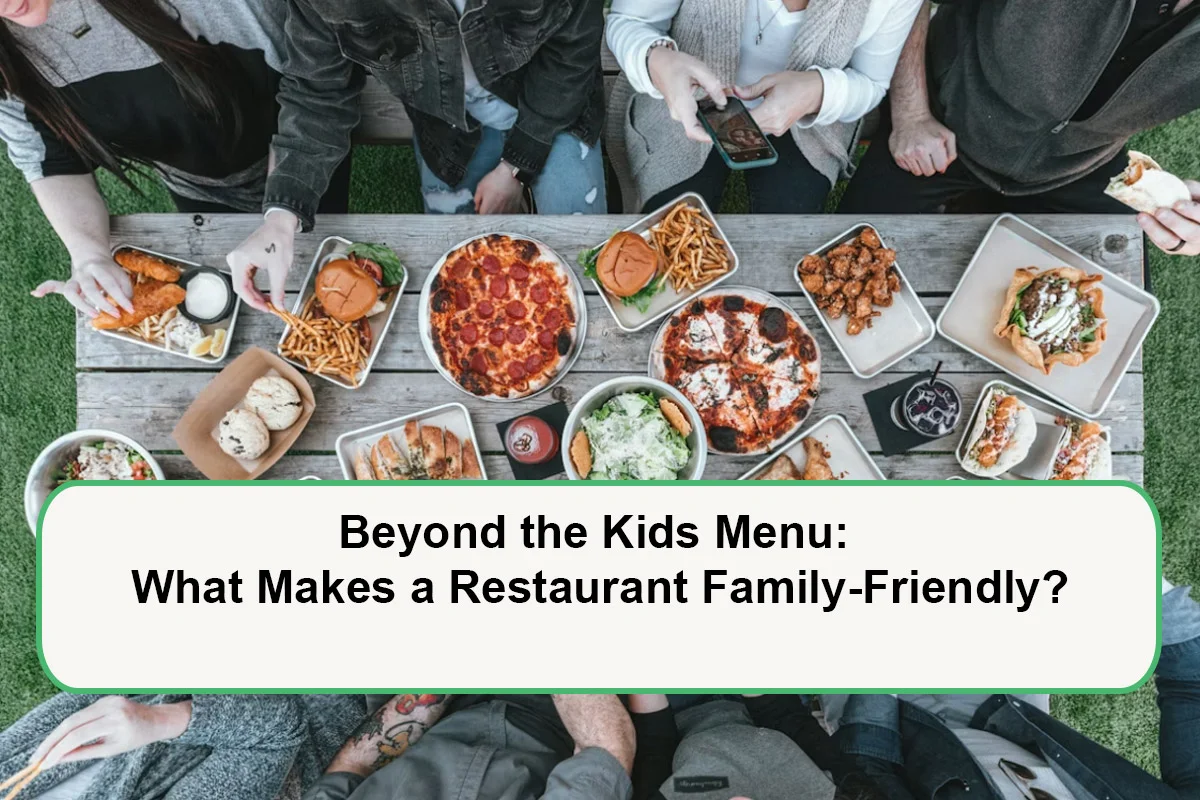
Just 22 percent of U.S. casual dining restaurants offer a dedicated kids menu at all, and even among restaurants that do, the presence of chicken nuggets and grilled cheese on a laminated insert turns out to be one of the weaker predictors of whether a family will actually enjoy their meal. Genuine family friendliness is built from a much wider set of decisions, most of which have nothing to do with the menu itself.
Ask any parent what actually makes or breaks a family meal, and speed comes up before food quality nearly every time. A National Restaurant Association survey found that 64 percent of full-service diners and 47 percent of limited-service diners value the overall dining experience more than the price of the meal, and for families specifically, that experience is disproportionately shaped by how quickly food actually arrives. Restaurants that understand this often go out of their way to fire children's meals first or alongside adult entrees, rather than treating them as an afterthought that shows up ten minutes later, a small sequencing decision that meaningfully changes how the whole meal feels.
The single biggest gap between a restaurant that merely tolerates kids and one that's genuinely built for families comes down to staff. Restaurants serious about family dining train employees specifically in how to communicate with children, how to handle spills and noise without visible frustration, and how to check in with a family table without hovering or rushing them. Some restaurants go further, running role playing scenarios during training so staff can practice handling common situations, a meltdown at the table, a spilled drink, a parent needing extra time, before they ever encounter them for real. The difference shows up in small moments: a server who greets a child directly and by name, rather than only addressing the adults at the table, is signaling a level of genuine hospitality training that a printed kids menu can't replicate.
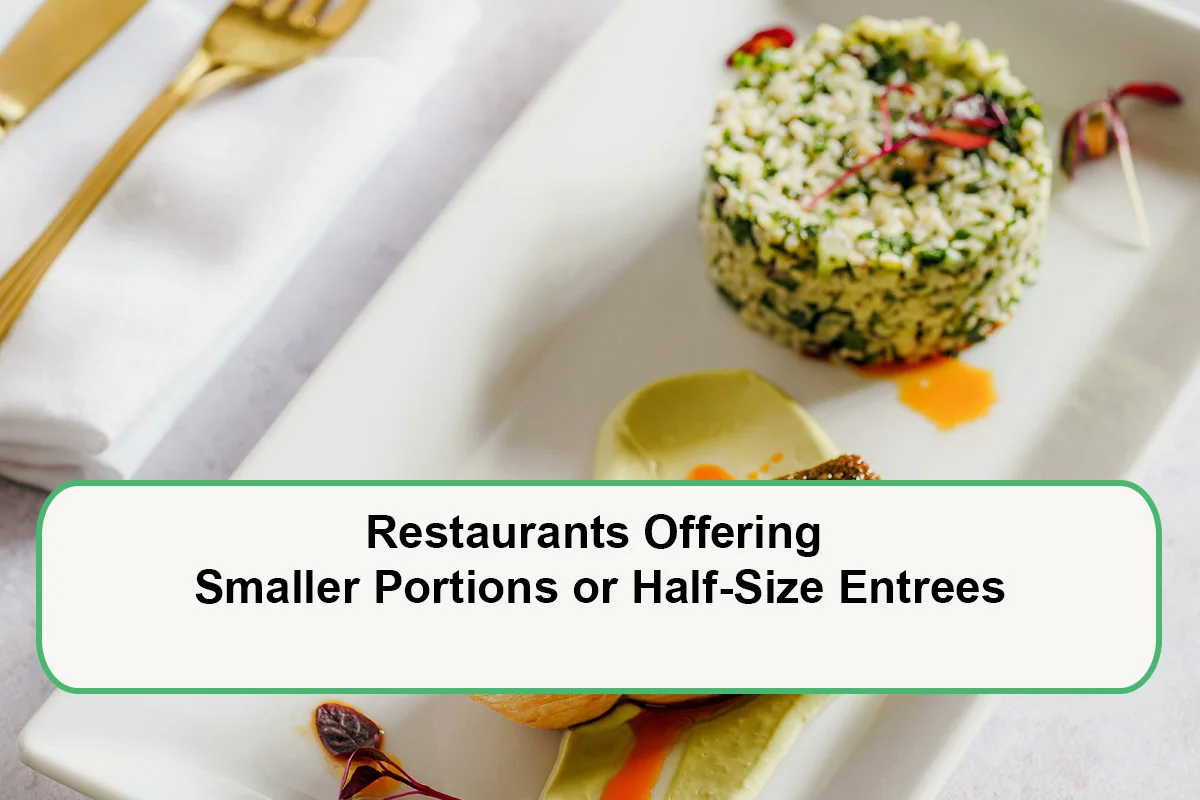
A rigid, three item kids menu is often less useful to families than a kitchen willing to flex on existing dishes. Restaurants that happily accommodate requests like a smaller portion, a sauce left off, or a simple substitution, without treating the request as an imposition, tend to serve families better than restaurants relying entirely on a separate children's menu. This flexibility also serves picky eaters and kids with specific preferences better than a fixed menu ever could, since no printed list of five items can anticipate every child's actual tastes.
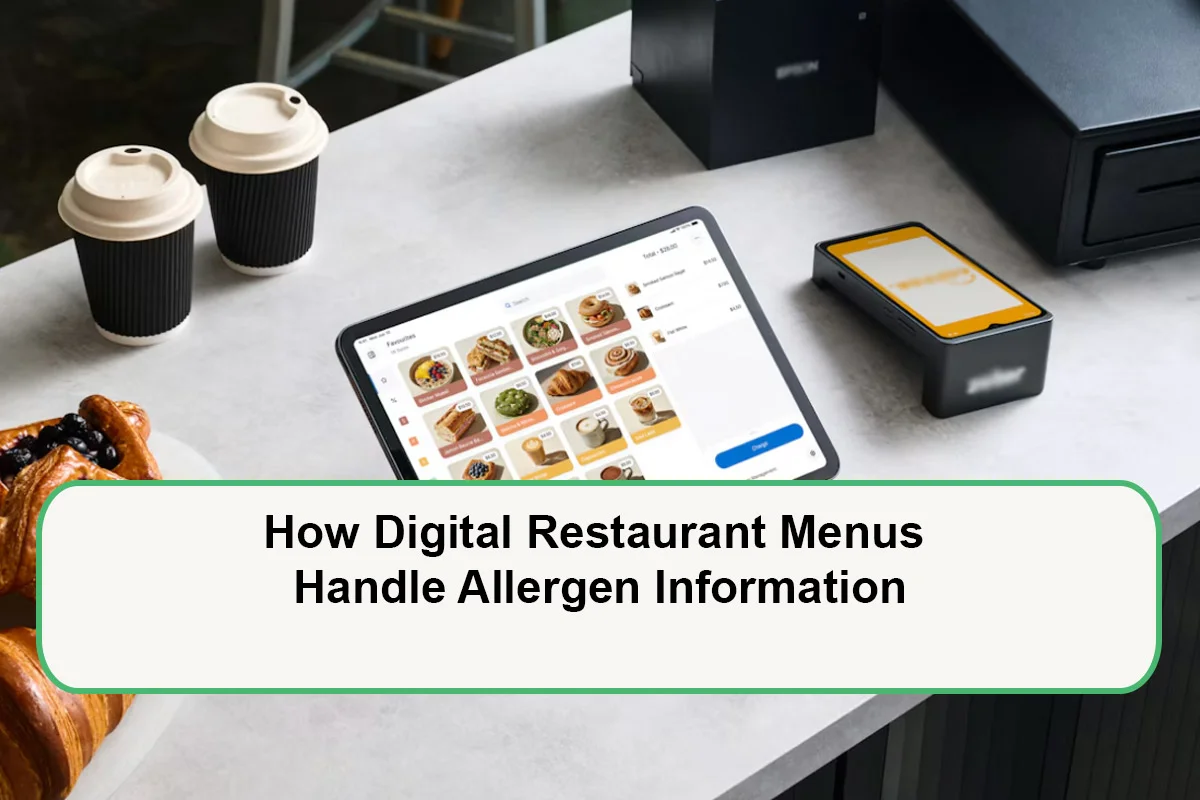
Health conscious parents increasingly treat allergy and dietary transparency as a baseline requirement rather than a bonus feature. This means clearly marked gluten free, dairy free, and nut free options, staff who can speak knowledgeably about ingredients and cross contamination risk, and a kitchen process built to handle these requests consistently rather than case by case. Restaurants that get this right tend to earn real loyalty from families managing a child's dietary restriction, since the alternative, calling ahead every time and hoping for the best, is genuinely stressful for parents.
Given that only 22 percent of casual dining restaurants and 27 percent of quick service spots offer a formal kids menu, plenty of family-friendly dining actually happens through workarounds: a large shareable entree split between siblings, a half portion offered without complaint, or a generous combo platter that stretches further than three separate individual meals. Some of the most practical family dining advice isn't about finding a restaurant with the perfect kids menu, it's about finding one willing to let a family split and share flexibly.
A restaurant's physical space either supports or undermines a family visit, often in ways that aren't obvious at first glance:
Coloring sheets and crayons remain a reliable baseline, but more thoughtful restaurants extend this further: designated play areas visible to parents, activities that scale to different age groups rather than a single generic kids' placemat, and staff comfortable engaging kids in brief conversation while parents get a moment to actually finish a sentence. A restaurant that treats entertainment as one part of a broader family strategy, rather than the entire strategy, tends to deliver a noticeably better experience.
Given how much of genuine family friendliness happens outside the printed menu, a few questions get closer to the real answer than "do they have a kids menu":
For the practical, before-you-go version of this same question, see our companion guide, how to identify a truly family-friendly restaurant before you go.
A few trends are likely to keep raising the bar for what counts as genuinely family-friendly:
Reviewed and verified by the Restaurant Listings Editorial Team for accuracy and relevance. Our content is researched using official restaurant sources, public records, government agencies, and recognized food safety and hospitality industry resources.
Last reviewed: September 2026
Dining Guides & Concepts
 Dining Guides & Concepts
 Dining Guides & Concepts