 Food Knowledge
Restaurant Menus with Plant-Based Protein Alternatives: Nutr...
Published On 30-10-2026
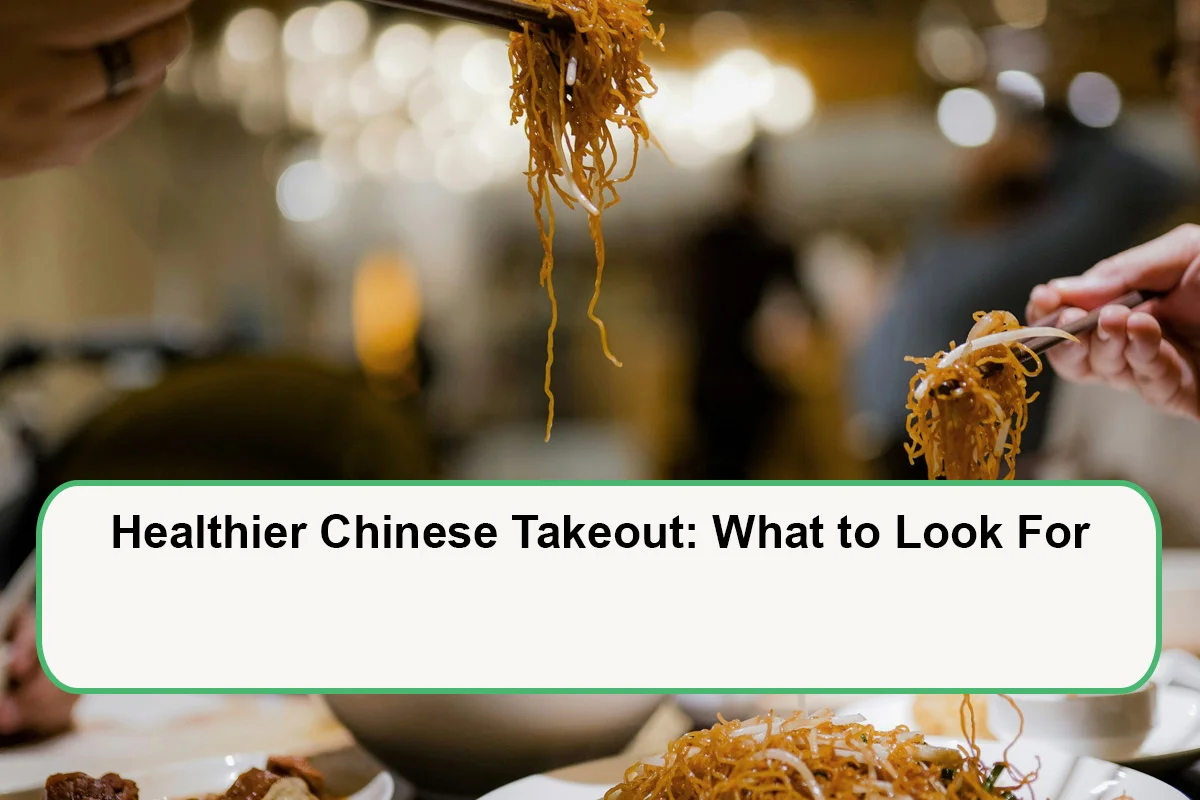
Chinese takeout is one of America's favorite weeknight meals, and it can be surprisingly healthy. Traditional Chinese cooking includes plenty of steamed dishes, vegetables, lean proteins, and broth based soups. The American Chinese menu, however, also features battered and fried chicken in sweet sauces, fried rice, lo mein, egg rolls, and crab rangoon. Knowing what to look for lets you enjoy the flavors you love without an overload of calories, sugar, and sodium.
This guide explains how to read a Chinese takeout menu, which dishes are lighter, which are heavier, and simple requests that make a big difference.
Nutrition figures in this guide are based on the chains' published nutrition information at the time of writing and are rounded. Recipes and portions change, so check each restaurant's current nutrition information before you order.
Look for steamed or stir fried dishes built around vegetables and lean protein, such as chicken with broccoli, moo goo gai pan, shrimp with mixed vegetables, Buddha's Delight, and steamed fish. Ask for sauce on the side, choose steamed rice (or a half portion), and limit battered and fried dishes like General Tso's, orange chicken, and sweet and sour, as well as fried rice, lo mein, egg rolls, and crab rangoon.
Chinese menus often describe how a dish is cooked, which is the fastest way to judge it:
For more on how cooking methods affect nutrition, see our guide to grilled versus fried meals.
Panda Express publishes nutrition for every item, which makes it a useful example of how choices add up. String Bean Chicken Breast is about 190 calories, Broccoli Beef about 150, Mushroom Chicken about 220, and Black Pepper Chicken about 280. Orange Chicken is about 370, Honey Walnut Shrimp about 360, and Beijing Beef about 470. Sides matter just as much: Super Greens are about 90 calories as a side, while white steamed rice is about 380, brown steamed rice about 420, chow mein about 510, and fried rice about 520. Choosing Super Greens instead of fried rice saves more calories than switching between most entrees.
| Panda Express item | Approximate calories | Note |
|---|---|---|
| Super Greens (side) | About 90 | Best side choice |
| Broccoli Beef | About 150 | Lighter entree |
| String Bean Chicken Breast | About 190 | Lighter entree |
| Mushroom Chicken | About 220 | Lighter entree |
| Grilled Teriyaki Chicken | About 300 | Grilled, but sweet sauce |
| Orange Chicken | About 370 | Battered and fried |
| Beijing Beef | About 470 | Battered, sweet sauce |
| White or brown steamed rice | About 380 to 420 | Consider a half portion |
| Chow mein or fried rice | About 510 to 520 | Heaviest sides |
Sodium is the biggest nutrition challenge in Chinese takeout. Soy sauce, oyster sauce, hoisin, black bean sauce, and broths are all salty, and even low calorie soups can carry a large share of the daily 2,300 milligram limit. Ask for sauce on the side, request low sodium soy sauce, choose steamed dishes, and limit soup portions. Our guide to lower sodium meals at popular chains has more strategies.
Chinese takeout portions are generous. A typical takeout container of an entree often serves two people, and lunch specials frequently bundle an entree with fried rice, an egg roll, and soup. To keep portions in check, split an entree, swap fried rice for steamed rice or extra vegetables, and save half for the next day. Ordering one protein dish and one vegetable dish for two people is a simple, balanced approach. Our guide to smaller portions and half size entrees has more ideas.
Chinese restaurants often have excellent vegetable dishes that are easy to overlook. Look for sauteed bok choy, Chinese broccoli (gai lan) with garlic, snow peas, string beans, eggplant in garlic sauce (which can be oily), sauteed spinach or pea shoots, and mixed vegetables with tofu. Adding a vegetable dish to any order boosts fiber and makes the meal more filling.
Dumplings and dim sum can be part of a balanced meal. Steamed dumplings, shrimp har gow, and steamed buns are lighter than fried potstickers, spring rolls, and turnip cakes. Pair a few steamed items with a vegetable dish rather than filling up on fried snacks, and use dipping sauces sparingly because they are often salty.
Much of what Americans know as Chinese takeout was adapted by Chinese immigrant cooks for American tastes, beginning in the 1800s with dishes such as chop suey. Many popular dishes, including the sweet, battered chicken dishes that dominate takeout menus, are American adaptations rather than everyday dishes in China. That is good news for healthy eating: traditional Chinese cooking has a deep repertoire of steamed, braised, and stir fried dishes built around vegetables, and many Chinese restaurants include them on their menus, sometimes in a separate traditional section.
Soy sauce usually contains wheat, which matters for gluten free diners, and many dishes contain soy, sesame, peanuts, shellfish, or egg. Fried items may share oil with battered dishes. Ask about gluten free tamari and check allergen information; chains such as P.F. Chang's publish an allergen matrix. See our guides to which chains publish complete allergen menus and shared fryers. For dairy free diners, Chinese food is often a good choice, though crab rangoon and some desserts contain dairy; see our guide to hidden dairy.
American Chinese takeout is only one slice of Chinese cuisine. Cantonese restaurants offer steamed fish, roast meats, and dim sum; Sichuan restaurants serve bold, spicy dishes such as mapo tofu and dry fried green beans; and northern Chinese restaurants are known for hand pulled noodles and dumplings. Many regional menus include plenty of vegetable and steamed dishes. Browse Chinese restaurants near you to explore.
Many Chinese American restaurants include a "diet," "health," or "steamed" section on the menu, where proteins and vegetables are steamed and served with sauce on the side. These dishes are an excellent starting point. Add a small amount of sauce, such as garlic, brown, or ginger sauce, for flavor, and pair with half a portion of rice.
Healthier Chinese takeout is easy once you read the menu by cooking method. Choose steamed and stir fried dishes built around vegetables and lean protein, ask for sauce on the side, keep rice portions moderate, and enjoy battered, sweet, and fried dishes occasionally. Panda Express's published nutrition shows how much sides and preparation matter. For more practical dining advice, explore our food knowledge collection.
Reviewed and verified by the Restaurant Listings Editorial Team for accuracy and relevance. Our content is researched using official restaurant sources, public records, government agencies, and recognized food safety and hospitality industry resources.
Last reviewed: October 2026