 Restaurant Types
The Difference Between Fast Food and Fast Casual Restaurants
Published On 21-09-2026
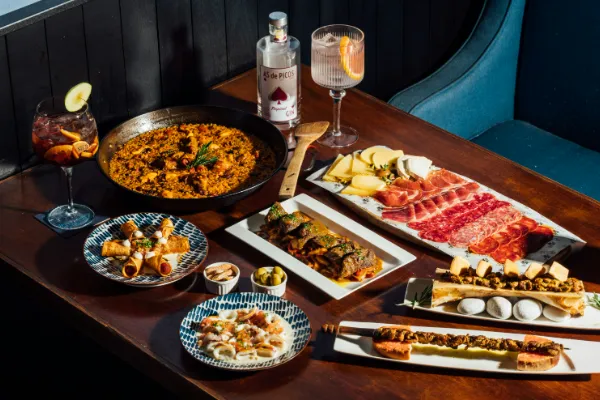
Tapas are one of Spain's most recognizable culinary traditions, but they're often misunderstood. Many people think tapas are simply appetizers or small portions of food. In reality, tapas represent an entire style of dining centered around sharing, conversation, and enjoying a variety of flavors in one meal.
Whether you're planning a trip to Spain or looking for an authentic Spanish restaurant near you, understanding what tapas are can help you appreciate the experience beyond what's on the plate.
Tapas are small Spanish dishes served as individual portions or shared plates. They can be hot or cold, simple or elaborate, and are traditionally enjoyed with drinks while socializing. Rather than ordering one large entrée, diners typically select several tapas to share with family and friends.
Today, tapas are served throughout Spain and have become popular in restaurants around the world because they allow diners to sample multiple dishes during a single meal.
The exact origin of tapas is debated, but one popular story suggests that bartenders placed slices of bread or cured meat over glasses of wine to protect drinks from dust and insects. The Spanish word "tapa" means "cover" or "lid."
Over time, these simple coverings evolved into small snacks served alongside drinks. Eventually, Spanish chefs expanded the concept into an impressive collection of regional specialties, creating the tapas culture enjoyed today.
Regardless of which origin story is true, tapas have become an important part of Spanish hospitality and dining traditions.
The defining feature of tapas isn't a specific recipe—it's the dining style.
Instead of everyone ordering separate meals, guests choose multiple dishes that are placed in the center of the table for everyone to enjoy. This creates a relaxed, social atmosphere where conversation becomes just as important as the food.
Many restaurants encourage diners to order several rounds of tapas rather than everything at once, allowing the meal to unfold naturally.
There are hundreds of tapas recipes across Spain, but some are especially well known.
Crispy fried potatoes served with spicy tomato sauce and creamy aioli.
A thick potato and onion omelet that's served warm or at room temperature.
Crispy fried croquettes filled with ingredients like ham, chicken, seafood, or mushrooms.
Shrimp cooked in olive oil with garlic, chili peppers, and fresh parsley.
Thin slices of premium cured Spanish ham served with bread or olives.
Spanish-style meatballs simmered in a rich tomato-based sauce.
Small green peppers blistered in olive oil and sprinkled with sea salt.
Most tapas are intentionally small so diners can enjoy several different dishes in one meal. However, portion sizes vary by restaurant.
Some establishments also offer larger versions known as raciones, which are designed for bigger groups.
This flexibility allows guests to customize their dining experience based on appetite and group size.
There isn't one correct answer because it depends on the number of people dining together and whether tapas are your main meal.
A common guideline is:
It's often better to order gradually instead of placing one large order immediately.
| Tapas | Traditional Appetizers |
|---|---|
| Designed to be shared | Usually served before a main course |
| Can become the entire meal | Typically followed by an entrée |
| Ordered in multiple rounds | Usually ordered once |
| Encourages social dining | Focuses on preparing for the meal |
People often compare tapas to Middle Eastern or Mediterranean meze because both involve sharing small plates.
The biggest difference is regional tradition. Tapas originate in Spain, while meze are common in countries such as Greece, Turkey, Lebanon, and other parts of the eastern Mediterranean. Although the dining style is similar, the ingredients, flavors, and recipes are unique to each culture.
Traditional Spanish beverages often served with tapas include:
Many restaurants also offer non-alcoholic options like sparkling water, fresh juices, and specialty soft drinks.
If you're dining at a tapas restaurant for the first time, a few simple customs can make the experience more enjoyable.
Tapas restaurants have expanded well beyond Spain because diners increasingly enjoy flexible, shareable dining experiences. Instead of committing to one entrée, guests can explore multiple flavors, making tapas ideal for celebrations, family dinners, business gatherings, and date nights.
The format also allows chefs to showcase creativity through seasonal ingredients and smaller portions that encourage exploration.
Tapas are much more than small plates—they represent one of Spain's most beloved dining traditions. Built around sharing, conversation, and variety, tapas create an experience that's both relaxed and memorable.
Whether you're visiting a traditional Spanish tavern or a modern tapas restaurant, ordering several dishes to share is the best way to appreciate this unique culinary tradition.
Reviewed and verified by the Restaurant Listings Editorial Team for accuracy and relevance. Our content is researched using official restaurant sources, public records, government agencies, and recognized food safety and hospitality industry resources.
Last reviewed: July 2026