
 Food History & Origins
Chicago Tavern-Style Pizza: Neighborhood Traditions and Wher...
Published On 15-10-2026
Published by Restaurant Listings Editorial Team
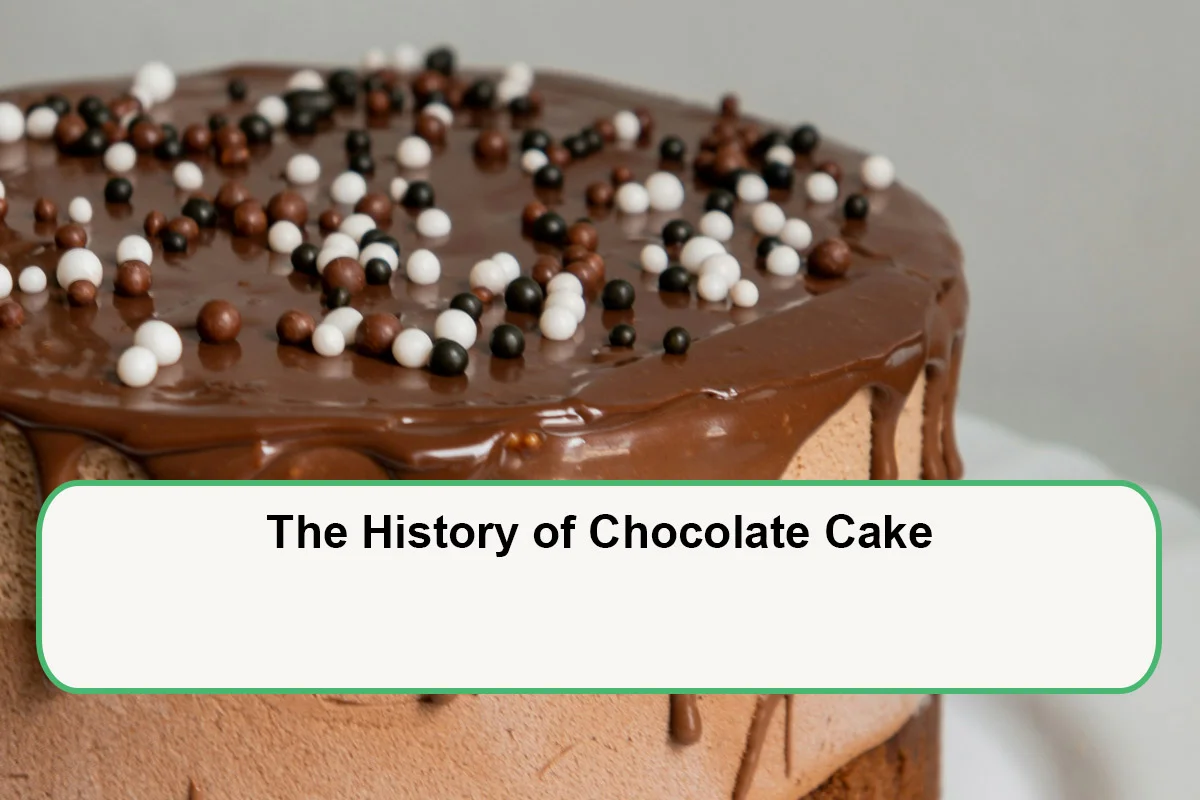
Chocolate cake feels timeless, but the rich, dark dessert familiar today is actually a fairly recent invention. For most of cake baking history, which stretches back to the era of the Egyptian pharaohs, chocolate was not even part of the equation, and when it finally arrived in cake batter, it showed up for a reason that had nothing to do with flavor.
People have baked cakes of one kind or another for millennia, but chocolate did not enter the picture until the mid-1700s, when a baker first ground cocoa beans and folded them into cake batter, creating an early prototype of what would eventually become chocolate cake. According to food historian Stephen James Schmidt, the earliest bakers who added cocoa powder to their cakes were not primarily chasing chocolate flavor at all. They were reacting to a massive trend for very white, light, and fluffy sponge cakes so pale and airy they seemed almost angelic, hence the name angel food cake. Adding cocoa powder was initially a way to darken a cake's color and stand apart from that trend, a purely visual decision that only later evolved into cakes built specifically around chocolate's flavor.
The specific cake most associated with rich, dark American chocolate desserts, devil's food cake, did not appear in print until 1902, when a recipe was published in Mrs. Rorer's New Cook Book. That original recipe called for a relatively modest two ounces of melted unsweetened chocolate, likely reflecting how expensive chocolate still was at the time, combined with the sugar, eggs, milk, butter, and flour that still make up the backbone of most modern devil's food cake recipes. Devil's food cake was conceived deliberately as angel food cake's opposite: dark, dense, and intensely rich in contrast to angel food's pale, airy lightness, sometimes referred to in the era as satan cake to underscore the contrast even further. The recipe's actual creator remains unknown, and the name's exact origin is similarly undocumented, though the contrast with angel food cake remains the most widely accepted explanation.
A version of the recipe titled simply Devil's Cake appeared in the nationally distributed Table Talk magazine in 1893, using brown sugar and establishing a version of the recipe that historians credit with helping standardize the cake across the country, ahead of the more famous 1902 cookbook publication. By the early 1910s, devil's food cake had achieved widespread popularity across the United States, and through the 1920s, early versions of red velvet cake began to split off as a distinct, related dessert, eventually developing its own separate identity built around buttermilk, cocoa, and red food coloring rather than devil's food cake's straightforward chocolate richness.
| Feature | Devil's Food Cake | Standard Chocolate Cake |
|---|---|---|
| Texture | Dark mahogany color, notably moist and fluffy | Varies, generally denser than devil's food |
| Leavening | High amount of baking soda, contributing to color and rise | Standard baking powder or soda in typical proportions |
| Historical origin | First published recipe in 1902 | Chocolate added to cakes as early as the mid-1700s |
| Classification | Modern versions resemble a chiffon cake | No single fixed classification |
The 19th century saw major improvements in cocoa processing technology, along with the expansion of cocoa production from its origins in the Americas into new growing regions across Asia and Africa, which together made smoother, better tasting chocolate and industrially produced cocoa powder widely available in ordinary grocery stores for the first time. Before that shift, most 19th century chocolate cakes were actually yellow cakes topped with a chocolate frosting rather than cakes built around chocolate throughout the batter itself. Greater chocolate availability let home bakers and professional cooks alike incorporate real chocolate flavor directly into the cake, rather than treating it purely as a frosting ingredient, a shift that eventually produced the darker, more intensely flavored chocolate cakes recognizable today.
Chocolate cake's next major transformation came through mass production rather than a new recipe. The Duff Company of Pittsburgh, already an established molasses manufacturer, introduced a devil's food chocolate cake mix in the mid-1930s, though production paused during World War II amid wartime ingredient shortages. Pillsbury became the first company to sell a general chocolate cake mix in 1948, and in 1951, Duncan Hines released its Three Star Surprise mix, which let a single box of mix produce a white, yellow, or chocolate cake depending on how it was prepared, and it quickly dominated the market. That shift from a labor intensive, from scratch dessert to a mass produced, affordable pantry staple brought chocolate cake into far more American homes on a regular basis than the original, more expensive 1902 recipe ever could have reached on its own.
Unlike a dish with a single, tightly protected traditional recipe, devil's food cake never had a standardized formula even in its earliest years, and that variation has continued into the present. Some bakers still favor the original 1902 style approach, relying on raw cocoa powder paired with extra baking soda to achieve the cake's signature dark color and lift. Others prefer Dutch process cocoa, which has been treated to neutralize its natural acidity, producing a smoother, less bitter flavor and an even darker appearance. That lack of a single fixed recipe is part of why two devil's food cakes from different bakeries or home kitchens can taste genuinely different from each other while both still fairly claiming the name.
Chocolate cake's story did not end with the mass produced cake mix era. Through the 1980s, an intensely rich style of dessert known as chocolate decadence cake became a fixture on American restaurant menus, dense, fudgy, and often served in small portions given how rich the flavor was, a deliberate departure from the lighter, fluffier cakes that had dominated home baking for decades. The 1990s pushed the trend further still, with single serving molten chocolate cakes, featuring a warm, liquid chocolate center, becoming a signature restaurant dessert across the country, proof that chocolate cake has continued to evolve stylistically well past its 1902 devil's food origins and its mid-century boxed mix era.
Chocolate cake's evolution, from an accidental color additive to a defined recipe to a mass market product, mirrors how many other now familiar desserts developed through a combination of changing ingredient availability and shifting cultural trends rather than a single moment of invention. For more on how other classic desserts took shape over time, browse our full collection of dessert history guides.
Reviewed and verified by the Restaurant Listings Editorial Team for accuracy and relevance. Our content is researched using official restaurant sources, public records, government agencies, and recognized food safety and hospitality industry resources.
Last reviewed: September 2026
Food History & Origins
 Food History & Origins
 Food History & Origins