
 Food History & Origins
Chicago Tavern-Style Pizza: Neighborhood Traditions and Wher...
Published On 15-10-2026
Published by Restaurant Listings Editorial Team
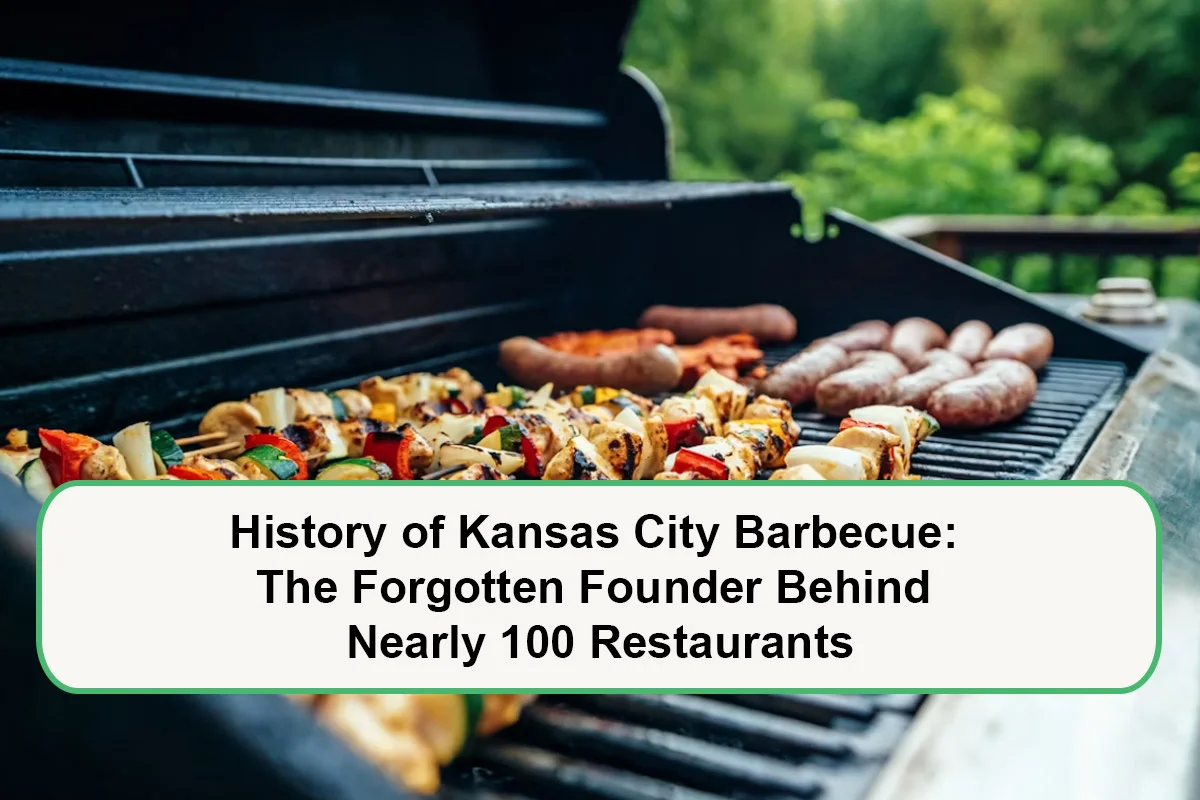
Nearly every major Kansas City barbecue institution alive today, Arthur Bryant's, Gates Bar-B-Q, and dozens of others, traces its lineage back to a single man whose own descendants barely knew his story. Henry Perry built the foundation of an entire regional cuisine from an alley pushcart in 1908, mentored the founders of the city's most famous barbecue dynasties, and then largely disappeared from the history most Kansas Citians actually know.
Henry Perry, widely recognized as the father of Kansas City barbecue, was born in Tennessee and learned his craft while working along the Mississippi River before eventually settling in Kansas City. In 1908, he began serving smoked meats, including possum, hog, and raccoon, from an alley pushcart to workers in the city's Garment District, charging just 25 cents per portion and wrapping the food in newspaper rather than proper packaging. He later moved his operation to the 18th Street and Vine neighborhood, selling smoked meat by the slab from a converted trolley barn at 19th and Highland.
Perry's success wasn't happening in a vacuum. The Kansas City Stockyards, established in 1871, had grown into one of the largest livestock markets in the country by the time Perry started his pushcart business, meaning a steady, affordable supply of meat was readily available in a way that made his low cost model genuinely sustainable. Without that constant flow of livestock passing through the city, Perry's original business, and the entire barbecue tradition that grew from it, might never have taken root the way it did.
Perry's most lasting legacy isn't a single restaurant, it's the network of people he personally trained who went on to found the city's most enduring barbecue institutions. Two brothers from Texas, Charlie and Arthur Bryant, both worked under Perry after relocating to Kansas City, with Charlie arriving first and Arthur joining in 1931 after completing college. Separately, Arthur Pinkard, another of Perry's employees, later partnered with George Gates to found what became Gates Bar-B-Q. Historians researching the era describe Perry as sitting atop the entire "family tree" of Kansas City barbecue, since his methods, taught directly to these employees, effectively seeded nearly all the restaurants that followed.
When Perry died of pneumonia in 1940 at age 66, he left the business to Charlie Bryant, who renamed it and moved it to a larger space at 18th and Euclid. Charlie ran the restaurant until retiring in 1946, at which point his younger brother Arthur took over, eventually relocating the business again in 1958 to its now-famous address at 1727 Brooklyn Avenue and renaming it Arthur Bryant's after himself. Food writer Calvin Trillin gave the restaurant a permanent place in American food culture in 1974 when he called it "quite possibly the best restaurant in the world," and its notable visitors have since included former presidents Harry Truman, Jimmy Carter, and Barack Obama.
Arthur Bryant is sometimes credited with inventing Kansas City's now-iconic sweet, thick, tomato based barbecue sauce, but the historical record complicates that narrative. A barbecue sauce recipe published in The Kansas City Star back in 1927, well before Arthur took over the family business, already called for canned tomatoes, ketchup, and Spanish tomato sauce alongside the traditional vinegar and spices. What Arthur Bryant more accurately deserves credit for is refining an already emerging tomato based style into something more consistently palatable to a broader audience, rather than inventing the tomato based concept from scratch. Perry's own original sauce, by contrast, leaned considerably hotter and more vinegar forward than the sweeter style now considered definitively Kansas City.
Gates Bar-B-Q, founded in 1946 when Arthur Pinkard joined forces with George Gates, grew into its own distinct institution within the same Perry lineage. The chain became known for a recognizable set of branding elements: red-roofed buildings, a logo depicting a strutting man in a tuxedo and top hat, and a distinctive greeting, "Hi, may I help you?", shouted by employees the moment customers walk in, a tradition that continues at Gates locations today.
Despite founding what would become one of the most significant regional food traditions in the country, Henry Perry's own story faded from public memory to a genuinely striking degree. His granddaughter, Bernetta McKindra, has said she never met her grandfather and didn't grow up hearing stories about him, only that he was known vaguely as "the barbecue king." She only learned more about his actual legacy years later, after overhearing a conversation about his induction into the American Royal Barbecue Hall of Fame. In recognition of his contribution, Kansas City marked July 3, 2020, exactly a century after Perry hosted a free barbecue reportedly serving 1,000 meals to thank the community for his success, as Henry Perry Day.
A few consistent elements separate Kansas City style barbecue from other major American regional traditions:
A few trends are likely to keep shaping the tradition going forward:
Reviewed and verified by the Restaurant Listings Editorial Team for accuracy and relevance. Our content is researched using official restaurant sources, public records, government agencies, and recognized food safety and hospitality industry resources.
Last reviewed: September 2026
Food History & Origins
 Food History & Origins
 Food History & Origins