 Restaurant Types
The Difference Between Fast Food and Fast Casual Restaurants
Published On 21-09-2026
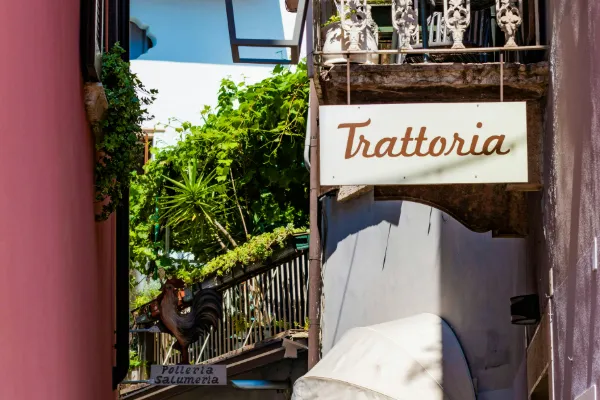
A trattoria and a ristorante are both Italian places to eat, but they are not the same. The simplest difference is this: a trattoria is usually a casual, family-style Italian restaurant, while a ristorante is generally a more formal restaurant with fuller service, a broader menu, and a more polished dining experience.
For diners, the difference matters because it tells you what kind of meal to expect. A trattoria may feel warm, local, rustic, and traditional. A ristorante may feel more refined, structured, and occasion-ready.
A trattoria is typically a casual Italian eating place with a relaxed atmosphere, regional dishes, and a family-style feeling. A ristorante is usually a more formal Italian restaurant with professional service, a wider menu, and a more complete dining experience.
| Feature | Trattoria | Ristorante |
|---|---|---|
| Main idea | Casual, traditional Italian dining | More formal restaurant dining |
| Atmosphere | Warm, rustic, neighborhood-style | Polished, refined, professional |
| Menu style | Smaller menu, regional comfort dishes | Broader menu, more courses and presentation |
| Service | Friendly and informal | More structured and attentive |
| Best for | Casual meals, family dinners, local food | Date nights, celebrations, business meals |
| Price range | Usually more affordable | Often higher, depending on service and menu |
A trattoria is a casual Italian restaurant, often known for simple, hearty, regional cooking. It usually feels less formal than a ristorante and may focus on traditional recipes, pasta, roasted meats, house wine, seasonal specials, and family-style hospitality.
The appeal of a trattoria is comfort. You go there when you want a relaxed Italian meal that feels local rather than staged. The menu may be smaller, but the food often has a strong sense of place.
You may see handwritten specials, regional pasta dishes, simple table settings, casual service, and a dining room that feels personal rather than formal. A trattoria may not try to impress with luxury; it tries to make you feel fed, welcomed, and comfortable.
A ristorante is the Italian word for restaurant, but in a dining context it often suggests a more formal or complete restaurant experience. A ristorante may offer a larger menu, multiple courses, professional service, wine pairings, refined plating, and a more polished atmosphere.
A ristorante is usually the better choice when the meal itself is the occasion. It may still be friendly and approachable, but it generally has more structure than a trattoria.
You may see a longer wine list, printed menus, more formal service, reservations, tablecloths, tasting menus, seafood or steak dishes, and a stronger focus on presentation. The experience is often designed for guests who want a slower, more complete meal.
The easiest way to separate the two is by formality. A trattoria is usually informal and local. A ristorante is usually more formal and service-driven.
That does not mean a trattoria has lower-quality food. In fact, many trattorias serve excellent, deeply traditional dishes. The difference is not “good vs better.” It is casual tradition vs polished restaurant experience.
A trattoria menu often focuses on familiar Italian comfort food: pasta, soups, stews, grilled meats, vegetables, and house desserts. The dishes may reflect the region, the season, or family recipes.
A ristorante may offer more courses and a wider selection, such as antipasti, primi, secondi, contorni, desserts, premium wines, and chef-driven specials. The plating may be more refined, and the menu may change based on culinary direction rather than only tradition.
Choose a trattoria when you want a relaxed Italian meal, classic pasta, a cozy atmosphere, and a place that feels local and comfortable.
Choose a ristorante when you want a more polished meal, attentive service, a broader menu, a wine-focused experience, or a restaurant suitable for a special occasion.
Yes. Some Italian restaurants use trattoria in the name but operate with the polish of a ristorante. Others call themselves a ristorante but still feel casual and neighborhood-focused. The name gives a clue, but the menu, service, pricing, and atmosphere tell the real story.
The difference between a trattoria and a ristorante comes down to style, service, and expectations. A trattoria is usually casual, rustic, regional, and comforting. A ristorante is usually more formal, polished, and complete.
If you want a warm, everyday Italian meal, choose a trattoria. If you want a more refined dining experience, choose a ristorante.
Reviewed and verified by the Restaurant Listings Editorial Team for accuracy and relevance. Our content is researched using official restaurant sources, public records, government agencies, and recognized food safety and hospitality industry resources.
Last reviewed: July 2026